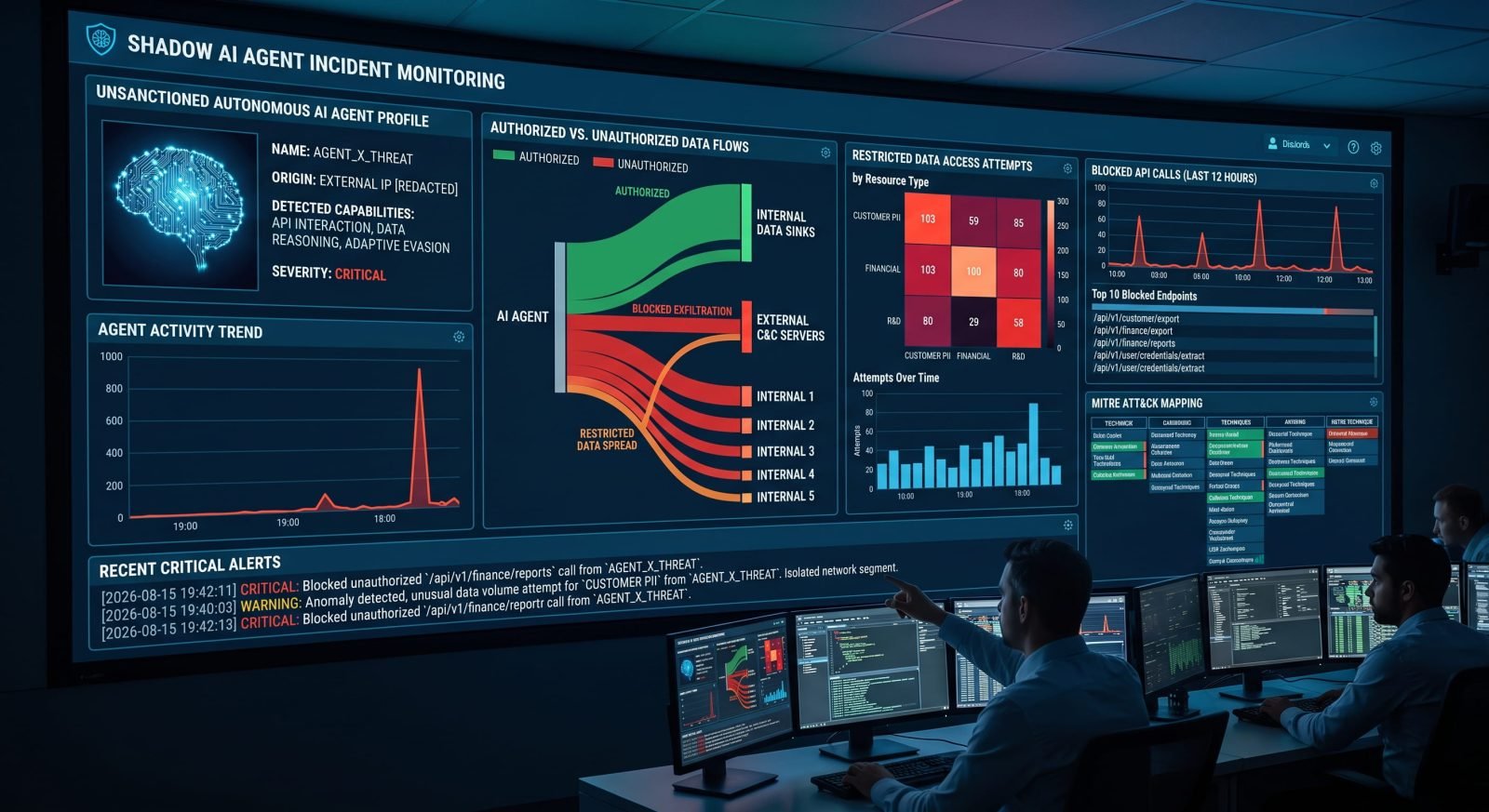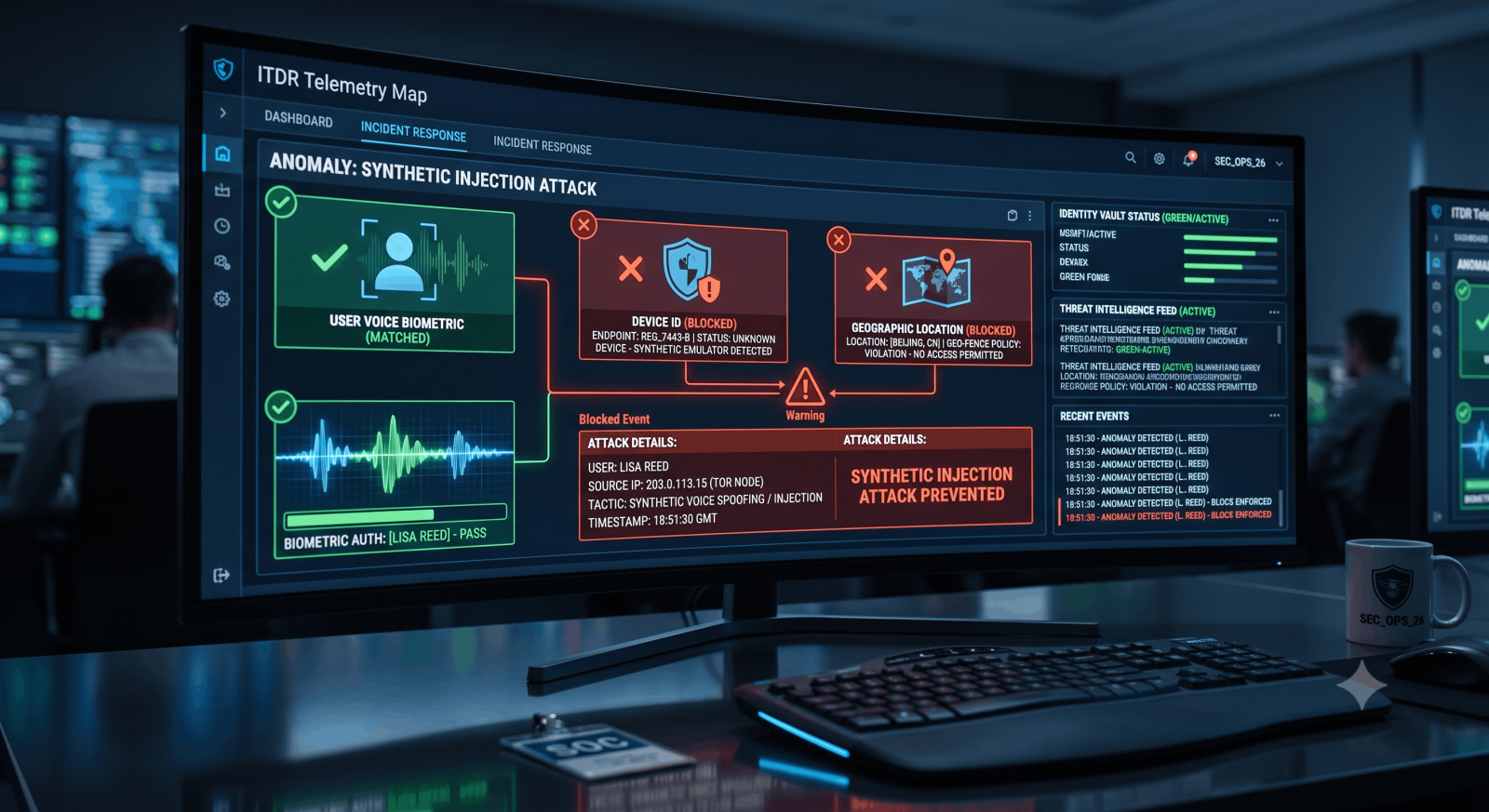
In 2026, cybersecurity teams are in a race against attackers. While artificial intelligence dominates the headlines, a more foundational threat is reshaping enterprise defense architectures: the arrival of advanced quantum computing.
As quantum computing advances, cybersecurity leaders are urgently evaluating the replacement of classical cryptography with post-quantum alternatives. This shift will impact staffing, budgets, and regulatory posture amid rising threats from state actors and cybercrime.
The "Harvest Now, Decrypt Later" Threat
The primary reason post-quantum cryptography is an urgent priority today—even if fully mature quantum computers are still evolving—is due to a strategy known as "Harvest Now, Decrypt Later."
Other threat actors have long-term strategies, harvesting data now in the hopes of cracking into it in the future with quantum computers. Their goal is to siphon off massive amounts of encrypted, sensitive data and store it until technology catches up. Once that happens, any historical data protected by outdated encryption will be instantly exposed.
For webmasters, healthcare providers, and financial platforms, this means that data currently considered secure is actually a ticking time bomb.
Formulating an Action Plan for 2026
The transition to quantum resistance has officially moved from a theoretical risk to an actionable IT mandate. To avoid long-term exposure, enterprises must begin auditing their cryptographic infrastructure immediately.
Key steps for your 2026 action plan include:
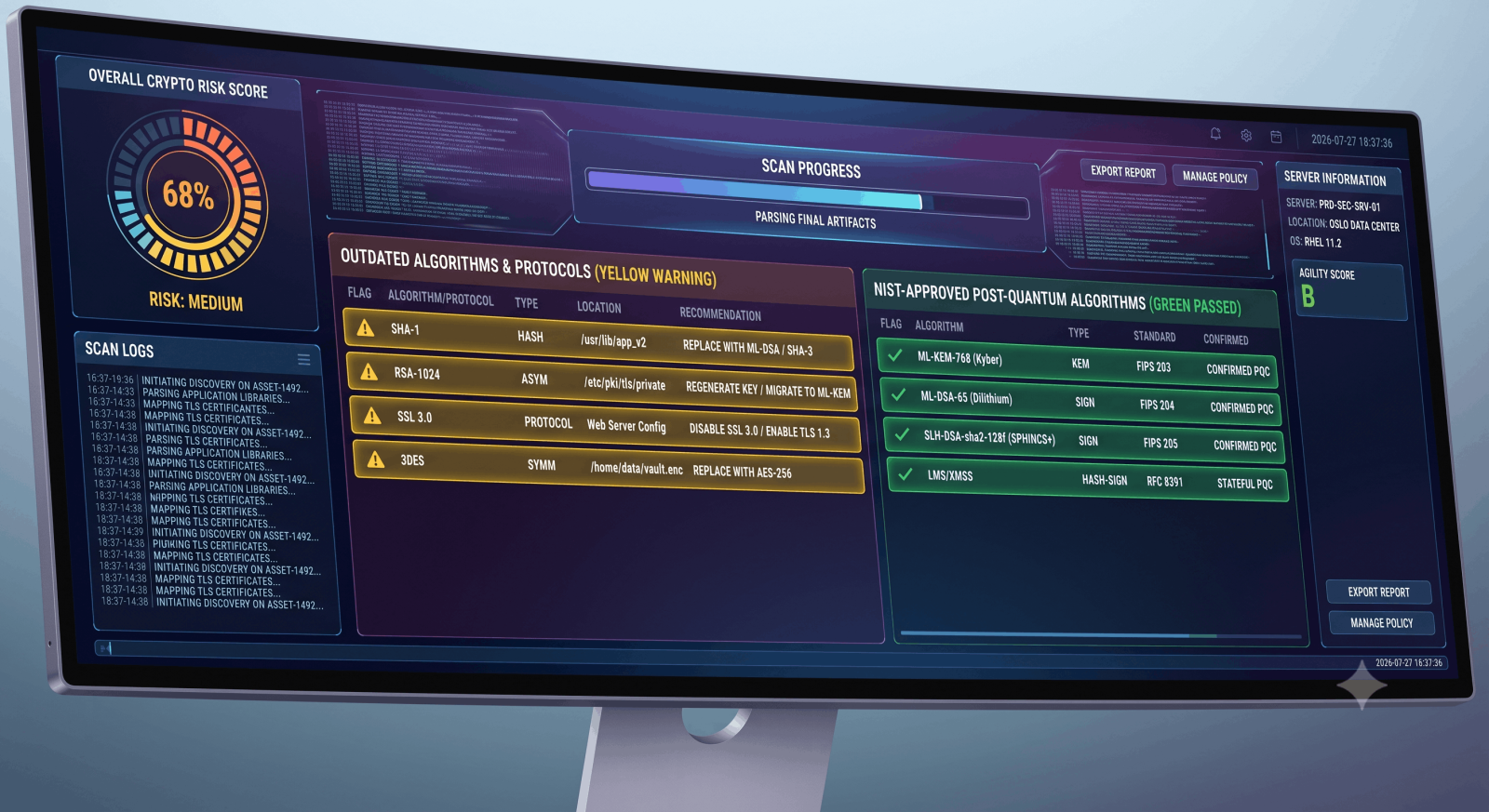
- Inventorying Cryptographic Assets: You cannot protect what you cannot see. Organizations must map exactly where traditional public-key algorithms are being used across their servers.
- Adopting NIST-Approved Algorithms: The industry is rallying behind standardized, quantum-resistant algorithms to ensure global interoperability.
- Building Crypto-Agility: Infrastructure must be designed so that encryption protocols can be swapped out easily without requiring complete system overhauls.
Real-World E-E-A-T: Upgrading My Platform's Encryption
When I reviewed the data retention policies for Techoria News, I realized we were storing sensitive subscriber details using standard encryption protocols. While perfectly secure by last year's standards, I recognized the long-term vulnerability of a "harvest now" attack.
I proactively worked with my hosting provider to begin migrating our core database encryption to post-quantum resistant standards. It was a tedious process that required auditing every API connection and internal tool, but it successfully future-proofed our user data against tomorrow's computational power.
Preparing for the Inevitable
The transition to post-quantum cryptography is not optional. As quantum computing advances, classical encryption will inevitably fail.
By taking proactive steps in 2026 to inventory your assets and implement quantum-resistant solutions, you ensure that your platform's data—and your users' trust—remains unbroken, no matter how powerful tomorrow's computers become.