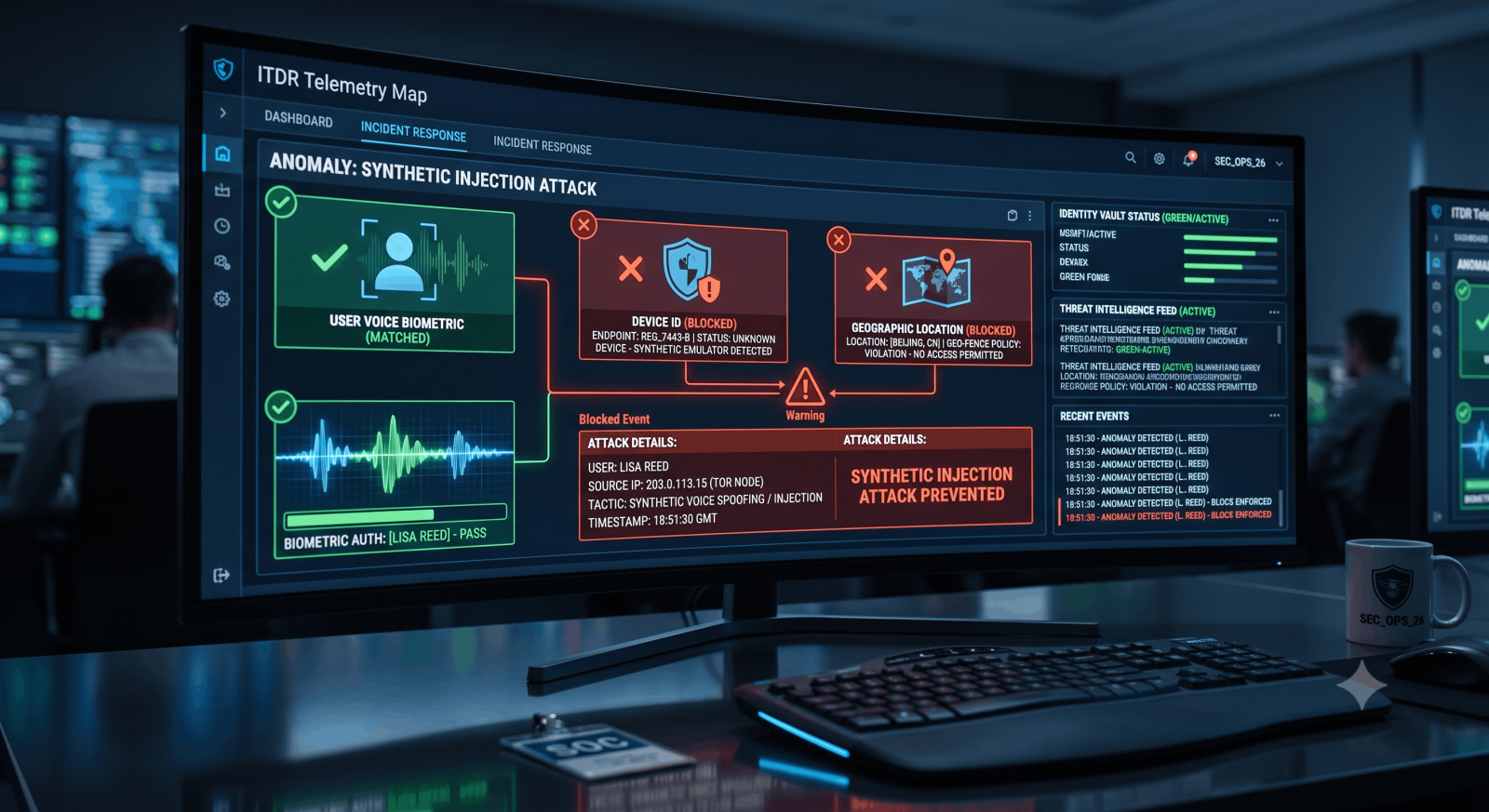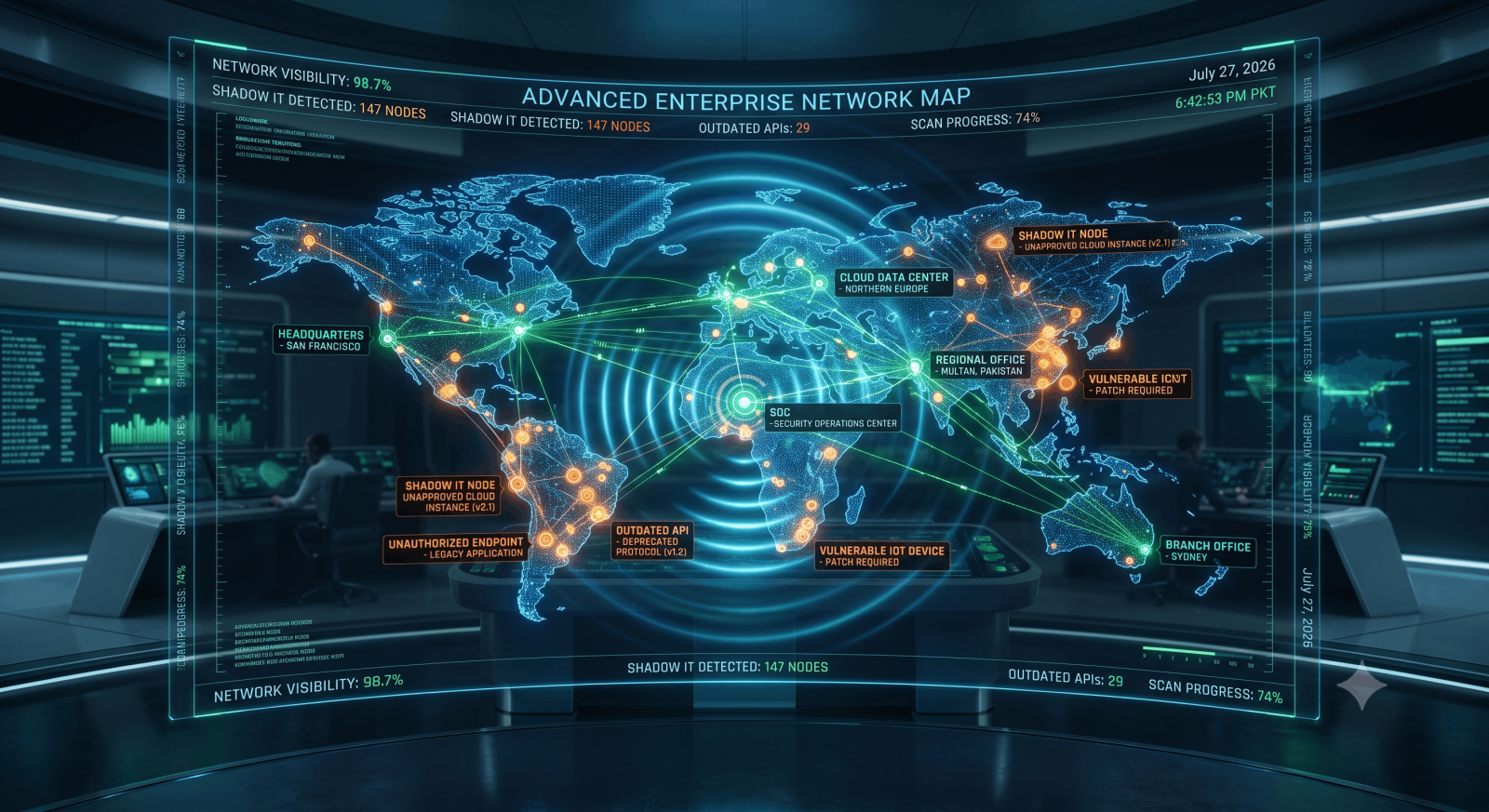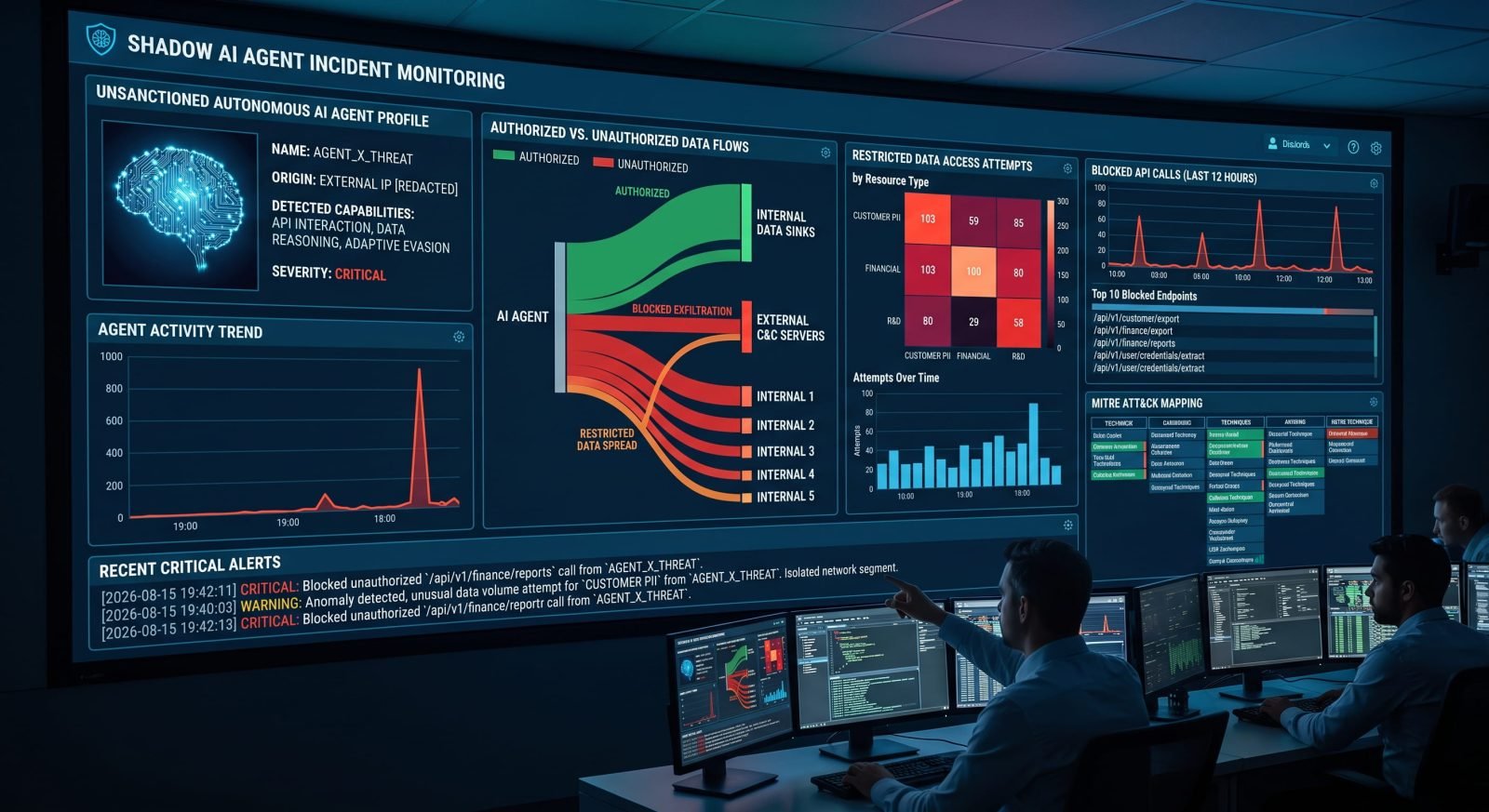
The rapid acceleration of Agentic AI is taking over the enterprise. However, as organizations sprint to embrace multi-agent workflows and Intent-Driven Development, they are colliding with a massive, largely invisible cybersecurity crisis. In 2026, the greatest threat to corporate data integrity is no longer just external ransomware or phishing attacks—it is the employees themselves, deploying unsanctioned autonomous agents. This is the Shadow AI problem.
Shadow IT vs. Shadow AI
To understand the severity of this issue, we must differentiate it from its predecessor. For years, IT departments battled "Shadow IT"—the unauthorized use of software, like an employee utilizing a personal cloud storage account to bypass corporate file-size limits.
Shadow AI represents a fundamentally different and more volatile threat vector. Shadow IT was mostly about unsanctioned data storage or passive applications. Shadow AI, particularly in the era of autonomous agents, involves the unauthorized use of AI tools, systems, or AI agents that actively execute tasks. An unsanctioned AI agent is not just storing a file; it is reading emails, querying databases, writing code, and interacting with external APIs on a user's behalf without the security team's knowledge or oversight.
The Reality from the Frontlines: A Culture of Silent Adoption
Scanning the discussions across prominent cybersecurity Slack channels and CISO roundtables in late 2026 reveals a stark reality: banning AI simply does not work. Security leaders are openly admitting that strict prohibition policies only drive the behavior underground.
As one Chief Information Security Officer (CISO) at a financial tech firm recently noted on a prominent DevOps forum, "We blocked access to the major agentic platforms on our corporate network, only to discover our marketing team was using personal laptops to deploy autonomous web-scrapers that fed directly into our CRM via unauthenticated API keys. By banning the tools, we didn't stop the AI; we just lost our ability to see it."
This synthesis of real-world practitioner feedback underscores a critical point: employees facing immense productivity pressures will always choose speed over compliance. They turn to Shadow AI when approved enterprise alternatives are too slow, overly restrictive, or completely absent.
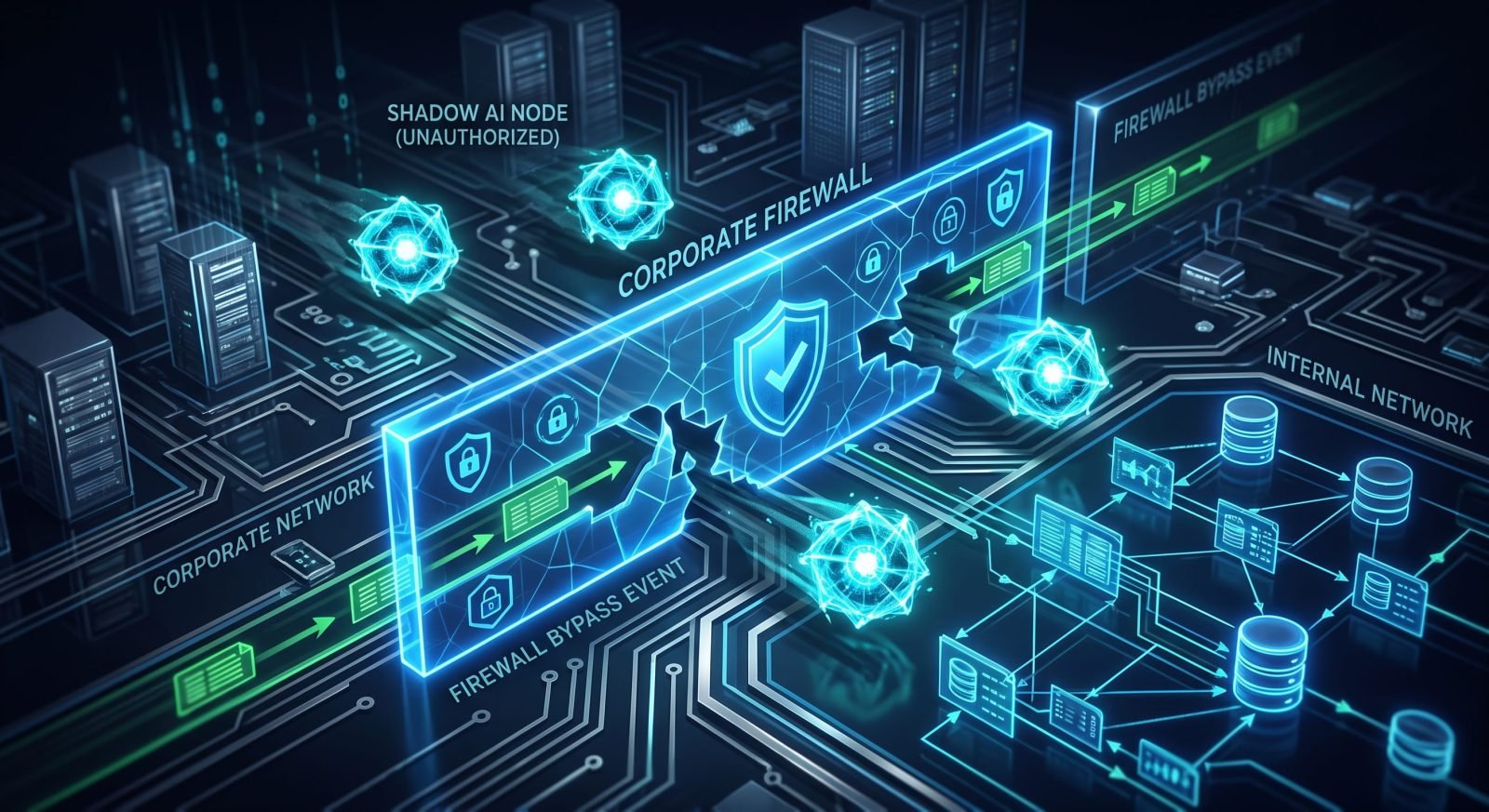
The Three Core Risks of Agentic Shadow AI
When employees bypass security protocols to deploy autonomous agents, they expose the enterprise to unprecedented liabilities. Data shows that insider risk driven by non-malicious actors—primarily shadow AI negligence—costs organizations $10.3 million annually. The threat breaks down into three primary categories:
1. Unmonitored Data Exfiltration (DLP Failures)
Traditional Data Loss Prevention (DLP) tools were designed to monitor files and emails, making them largely blind to the mechanisms of Shadow AI. When an employee pastes sensitive customer data, proprietary source code, or M&A strategy documents into an unapproved AI agent's context window, that data is instantly transmitted to external servers. Because these agents operate outside the corporate firewall, security teams have zero visibility into what sensitive information is being ingested to train third-party models.
2. Unsecured Agent Actions and Privilege Escalation
Generative AI tools of the past only output text. Today's agents utilize the Model Context Protocol (MCP) to connect directly to enterprise tools and execute complex workflows. If an employee grants an unsanctioned AI agent access to their corporate identity to automate their inbox or Salesforce pipeline, that agent operates with the human's exact permissions. If the agent's underlying model suffers a hallucination, or falls victim to an indirect prompt injection attack, the agent can autonomously exfiltrate data or delete vital records. Because the agent acts on the employee's behalf, the audit trail points directly back to the human, masking the true source of the breach.
3. Severe Regulatory Noncompliance
Every unsanctioned AI tool deployed on corporate data is an unassessed data processor. The moment a rogue agent processes protected health information (PHI) or personal identifiable information (PII), the organization is in violation of strict frameworks like HIPAA, GDPR, or the newly enforced EU AI Act. Regulators do not accept ignorance as a defense. If an employee uses an unapproved local Large Language Model (LLM) to summarize client financial records, the company can face catastrophic fines for cross-border data transfers. The compliance burden of AI is massive, and Shadow AI bypasses every single organizational checkpoint designed to mitigate that risk.
Governing the Autonomous Workforce
Securing the enterprise against Shadow AI requires a structural paradigm shift in how IT departments handle identity and access management.
Machine Identity and Zero Trust
Organizations must apply Zero Trust architecture not just to human employees, but to AI agents. Every autonomous agent must be issued a unique digital identity, distinct from the human who deployed it. This allows security teams to track the agent's specific behavior, restrict its API access through strict least-privilege principles, and instantly revoke its credentials if anomalous activity is detected on the network.
Enablement Through Guardrails
The consensus among modern security professionals is that the solution to Shadow AI is not lockdown; it is safe enablement. IT departments must provide secure, internal, and approved Agentic AI platforms that rival the capabilities of public tools. By creating centralized "AI Gateways"—which act as a unified control plane to monitor prompts, sanitize data, and govern agent behavior—enterprises can give their employees the automation tools they crave while maintaining total visibility and regulatory compliance.
The workforce of 2026 is officially a hybrid of humans and machines. Securing this new environment means acknowledging that autonomous agents are here to stay, and governance structures must evolve rapidly to manage them as full-fledged digital employees.