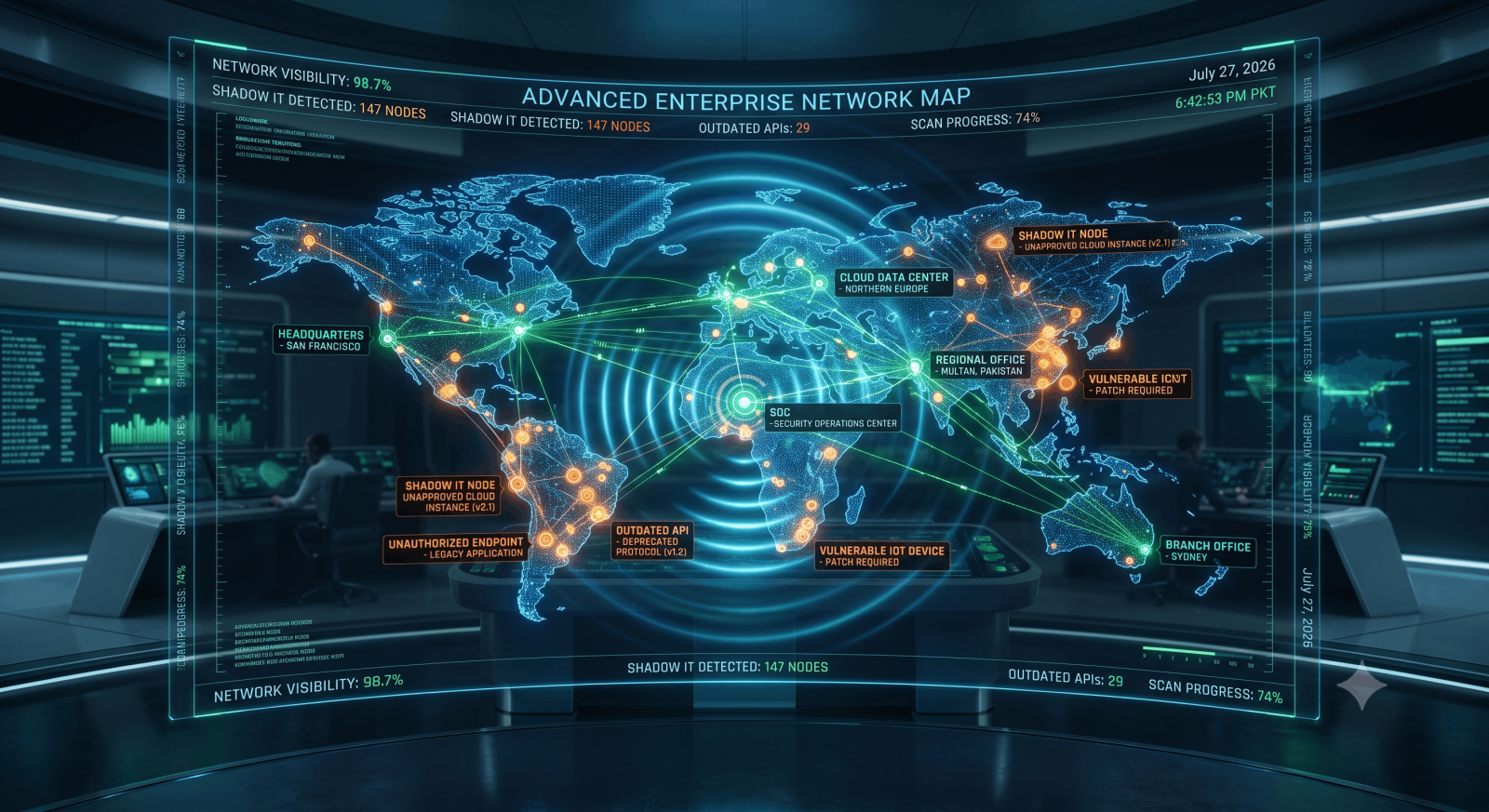
In 2026, identity is the new network perimeter. With the rise of remote workframes, decentralized cloud storage, and AI automation, traditional firewalls can no longer protect your assets. Attackers are no longer "hacking" into systems; they are simply logging in. Stolen credentials appear in 39% of breaches across the full attack chain, indicating that identity is often the initial entry point for a breach.
To counter this, enterprise security teams are finalizing their shift toward Identity Threat Detection and Response (ITDR). This specialized discipline moves beyond basic access management and focuses entirely on securing the identity infrastructure itself against advanced, AI-driven impersonation tactics.
The Deepfake Verification Crisis
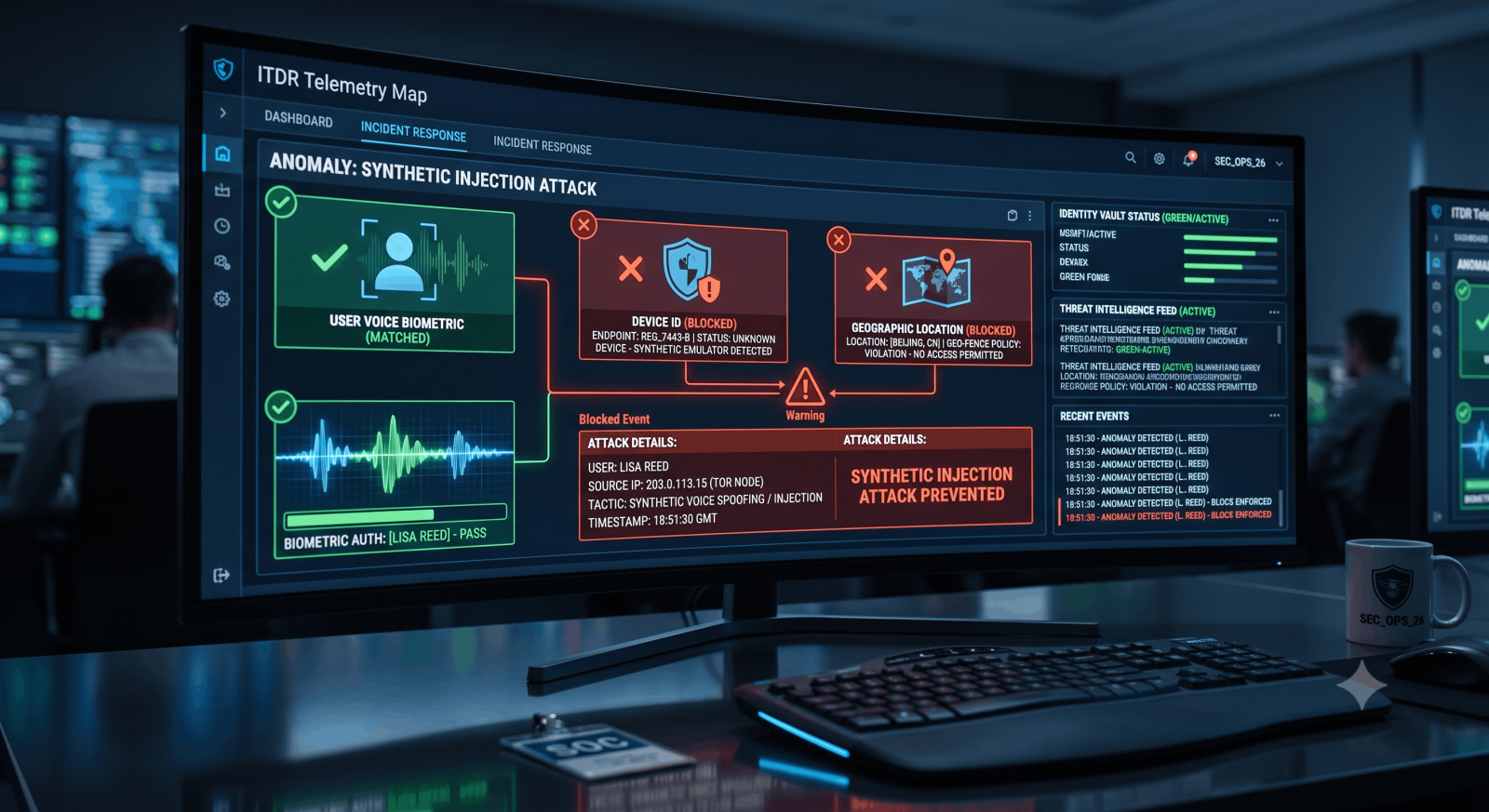
The primary catalyst accelerating ITDR adoption in 2026 is the weaponization of artificial intelligence. Cybercriminals are now utilizing highly convincing AI-generated deepfakes to bypass standard facial recognition and voice biometric systems.
The threat has scaled so rapidly that 62% of organizations reported experiencing a deepfake incident recently. Furthermore, Gartner predicts that by 2026, 30% of enterprises will consider standalone identity verification and authentication solutions to be unreliable in isolation due to AI-generated deepfakes. Basic presentation attack detection is no longer sufficient; organizations must integrate continuous monitoring and behavior analytics to prove genuine human presence.
By implementing a robust ITDR framework, organizations can:
- Neutralize Deepfakes: Cross-reference biometric logins with device telemetry and behavioral patterns to instantly flag synthetic media.
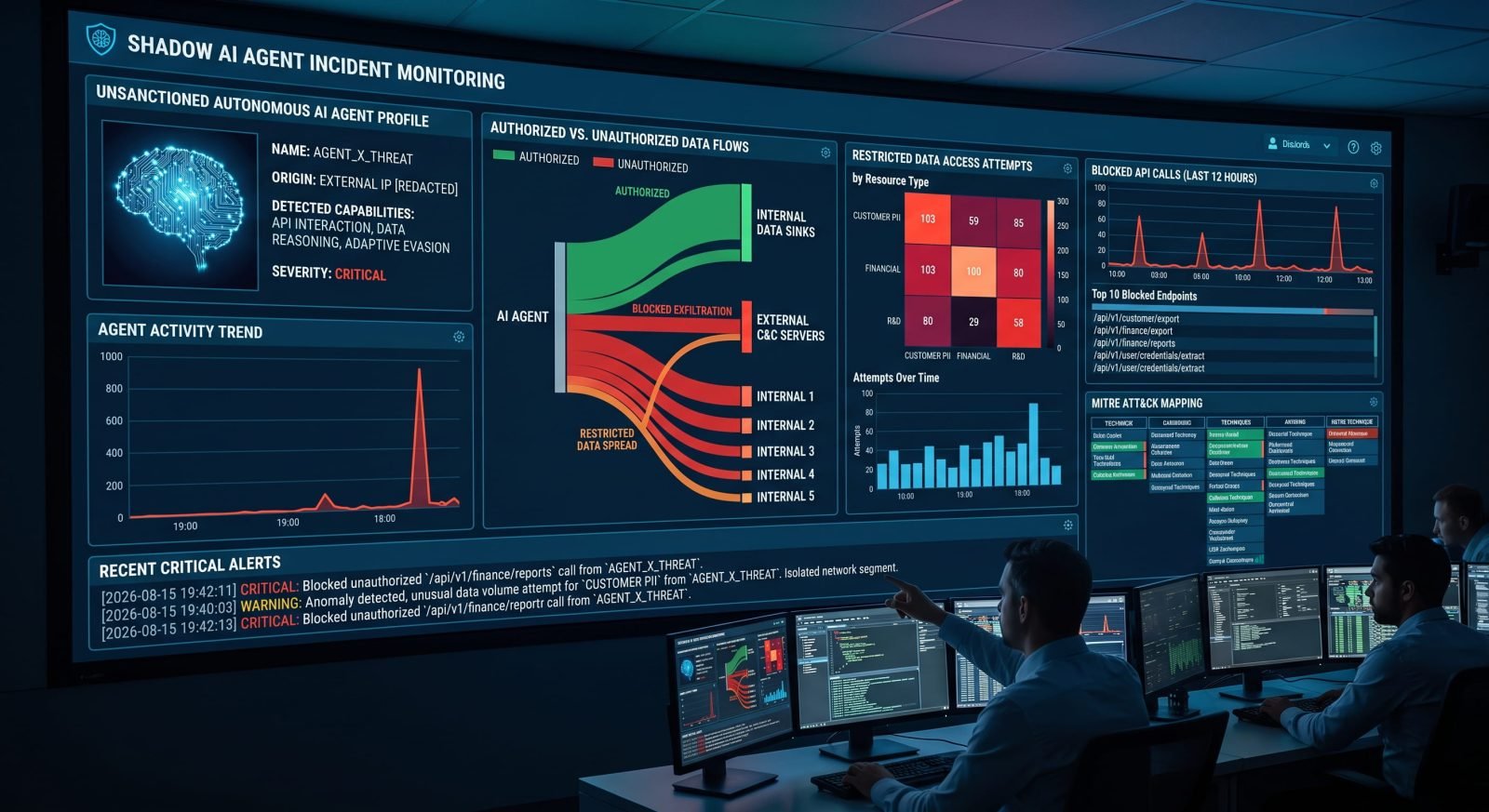
- Monitor Non-Human Identities: Track the behavior of API keys, service accounts, and AI agents that often possess excessive privileges.
- Automate Response: Instantly freeze compromised accounts and quarantine affected systems before an attacker can move laterally. In fact, 79% of organizations believe AI can actively improve ITDR effectiveness.
Real-World E-E-A-T: Securing My Administrative Access
Last year, my publishing team faced a highly sophisticated social engineering attempt. An attacker utilized a cloned, AI-generated voice of a trusted vendor to try and authorize a password reset for one of our core administrative accounts. Our standard two-factor authentication prompt was nearly bypassed by the sheer urgency and realism of the fake voice.
Following that near-miss, we integrated Identity Threat Detection and Response protocols into our backend. We moved away from relying solely on static credentials and implemented continuous behavioral monitoring. Now, even if a threat actor successfully fakes a voice or steals a token, our ITDR system evaluates their post-login behavior. If the "vendor" suddenly attempts to access our core database instead of their usual billing portal, the system automatically revokes their session.
Securing the Identity Attack Surface
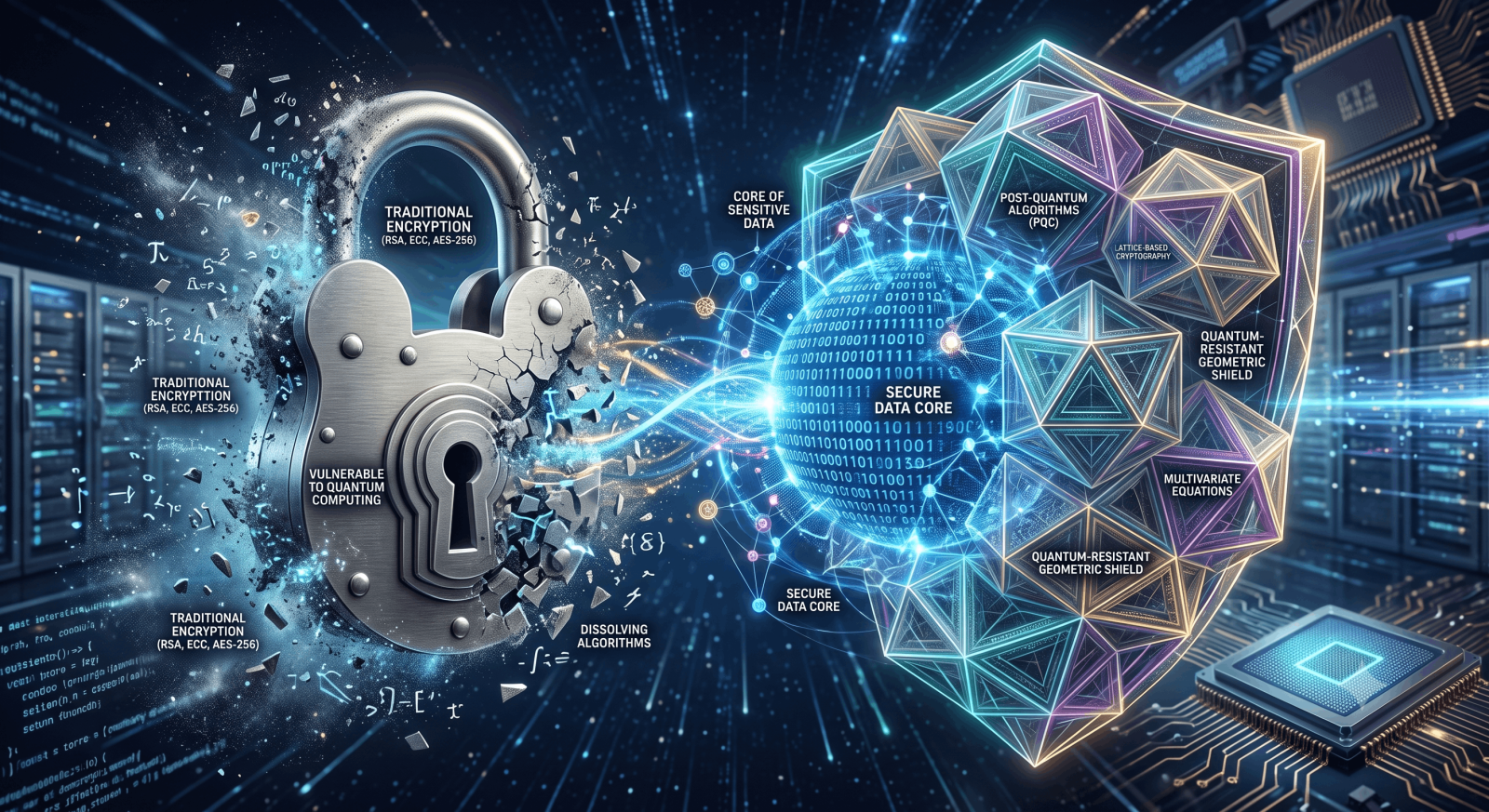
As we close out 2026, relying on standard multi-factor authentication is a vulnerability. The methods attackers use to spoof, steal, and bypass identities are evolving faster than traditional access management can handle.
Adopting Identity Threat Detection and Response ensures that your organization is not just managing logins, but actively hunting and neutralizing the threats targeting your users' digital identities. When an attacker's most powerful weapon is a stolen identity, your strongest defense is the ability to continuously verify who is actually behind the keyboard.