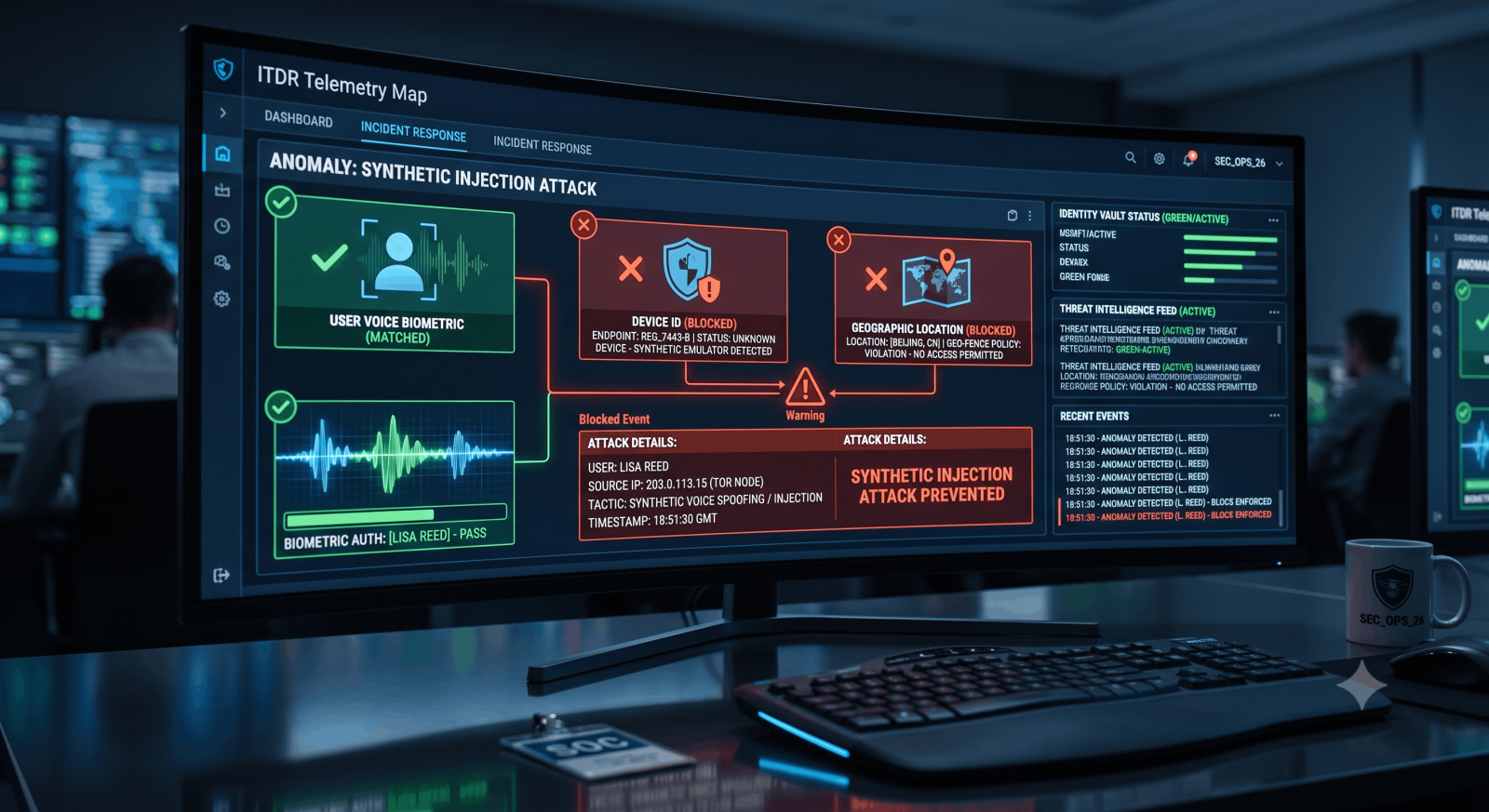
For decades, the cybersecurity industry operated on a relatively straightforward premise: once a malicious file was identified, its unique digital fingerprint (or signature) was added to a global database. From that point on, traditional antivirus software could instantly recognize and block it.
In 2026, that reactive model is completely broken.
The primary reason for this collapse is the staggering rise of mutating cyber threats. If you are an IT professional or a business owner trying to secure your network, understanding what polymorphic malware is and how artificial intelligence has supercharged its deployment is no longer optional—it is a mandatory survival skill.
The Mechanics of Polymorphic Malware
At its core, polymorphic malware is a type of malicious software that continuously changes its identifiable features in order to evade detection. While the fundamental objective of the malware remains exactly the same—whether that is stealing data, deploying ransomware, or establishing a backdoor—the code used to execute that objective looks entirely different every time it replicates or infects a new system.
Think of it like a burglar who changes their physical appearance, clothing, and fingerprints every single time they break into a different house. The crime remains the same, but the suspect description is useless to the police.
How Mutation Engines Work
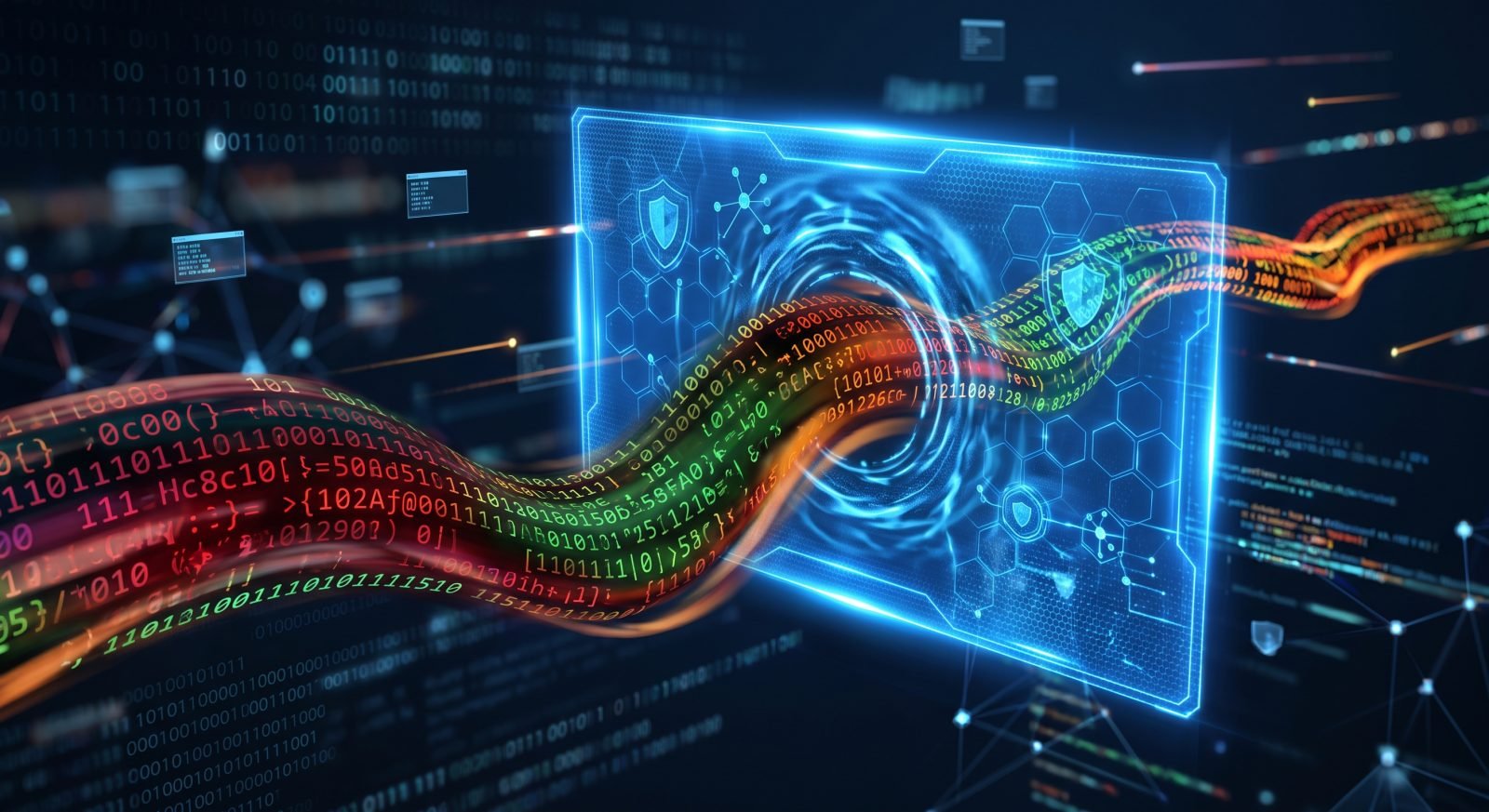
Polymorphic malware achieves this shape-shifting through the use of a built-in mutation engine. This engine typically relies on complex encryption. When the malware infects a system, it encrypts its core malicious payload using a randomized key.
Because the key changes with every infection, the resulting encrypted file looks entirely unique to security scanners. The malware only decrypts itself temporarily in the system's active memory to execute its attack, leaving traditional file-scanning antivirus tools completely blind.
The 2026 Reality: Generative AI as a Threat Multiplier
Polymorphic malware is not a new concept; early versions existed in the 1990s. However, creating effective mutation engines used to require highly skilled human programmers. Today, the landscape has shifted drastically due to the weaponization of Large Language Models (LLMs).
We are seeing a convergence where the Shadow AI problem is intersecting with external threat actors. Cybercriminals are now utilizing automated AI agents to rewrite the source code of malware on the fly.
Instead of just changing the encryption key, AI-driven malware can completely alter its underlying logic, variable names, and execution paths in milliseconds. This means an attacker can generate millions of unique, highly sophisticated variants of a single ransomware payload in a single afternoon, overwhelming enterprise defenses with sheer volume and unpredictability.
Why Traditional Antivirus Fails
Legacy antivirus solutions rely almost entirely on signature-based detection. They compare incoming files against a known dictionary of bad code.
Because polymorphic malware changes its signature with every iteration, its specific fingerprint is never in the dictionary. By the time a security vendor analyzes a new variant and updates their database, the malware has already mutated a thousand times over. Relying solely on signature-based detection in 2026 is the equivalent of trying to stop a modern cyberattack with a chain-link fence.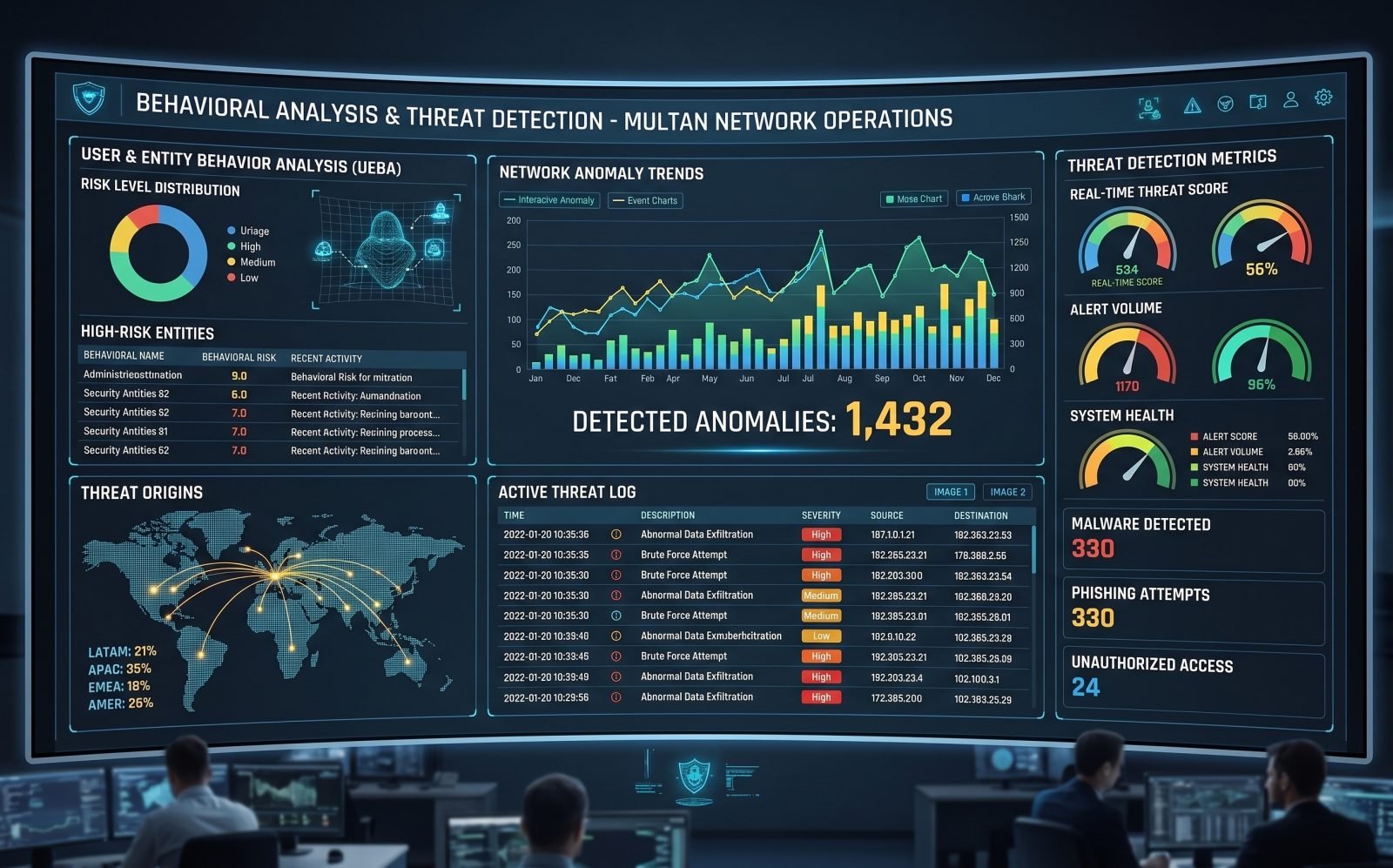
Modern Defense Strategies: Moving to Behavior
To combat threats that constantly change how they look, organizations must shift their focus to how the threats behave.
1. Endpoint Detection and Response (EDR)
EDR solutions do not just scan files; they monitor the continuous activity of every device on the network. If a completely unknown, seemingly benign file suddenly attempts to encrypt a folder full of financial documents or modify the system registry, the EDR system will instantly isolate the device, regardless of whether the file's signature is known.
2. AI-Driven Behavioral Analysis
Security teams must fight fire with fire. The latest cybersecurity platforms utilize defensive AI to establish a baseline of normal network behavior. When polymorphic malware executes in memory, its actions inevitably deviate from this baseline. Machine learning algorithms can detect these subtle anomalies—such as unusual outbound data transfers or unexpected memory allocation—and neutralize the threat autonomously.
3. Continuous Threat Exposure Management
Instead of running quarterly vulnerability scans, enterprises are adopting Continuous Threat Exposure Management. This proactive framework assumes a breach will eventually occur and focuses on constantly testing and validating the network's defensive architecture against simulated, AI-generated attacks.
Our Take: The Techoria Recommendation
The arms race between AI-generated polymorphic malware and AI-driven defense systems will define the cybersecurity landscape for the rest of the decade.
If your organization is still relying on legacy, signature-based antivirus software, you are exposed. The immediate priority for any IT department in 2026 must be upgrading to a modern EDR or XDR (Extended Detection and Response) platform that prioritizes behavioral analysis over file scanning.
Furthermore, network segmentation is critical. If a polymorphic payload does manage to bypass your endpoint security and detonate, strict internal firewalls and zero-trust protocols will ensure the infection cannot laterally spread across your entire enterprise infrastructure.