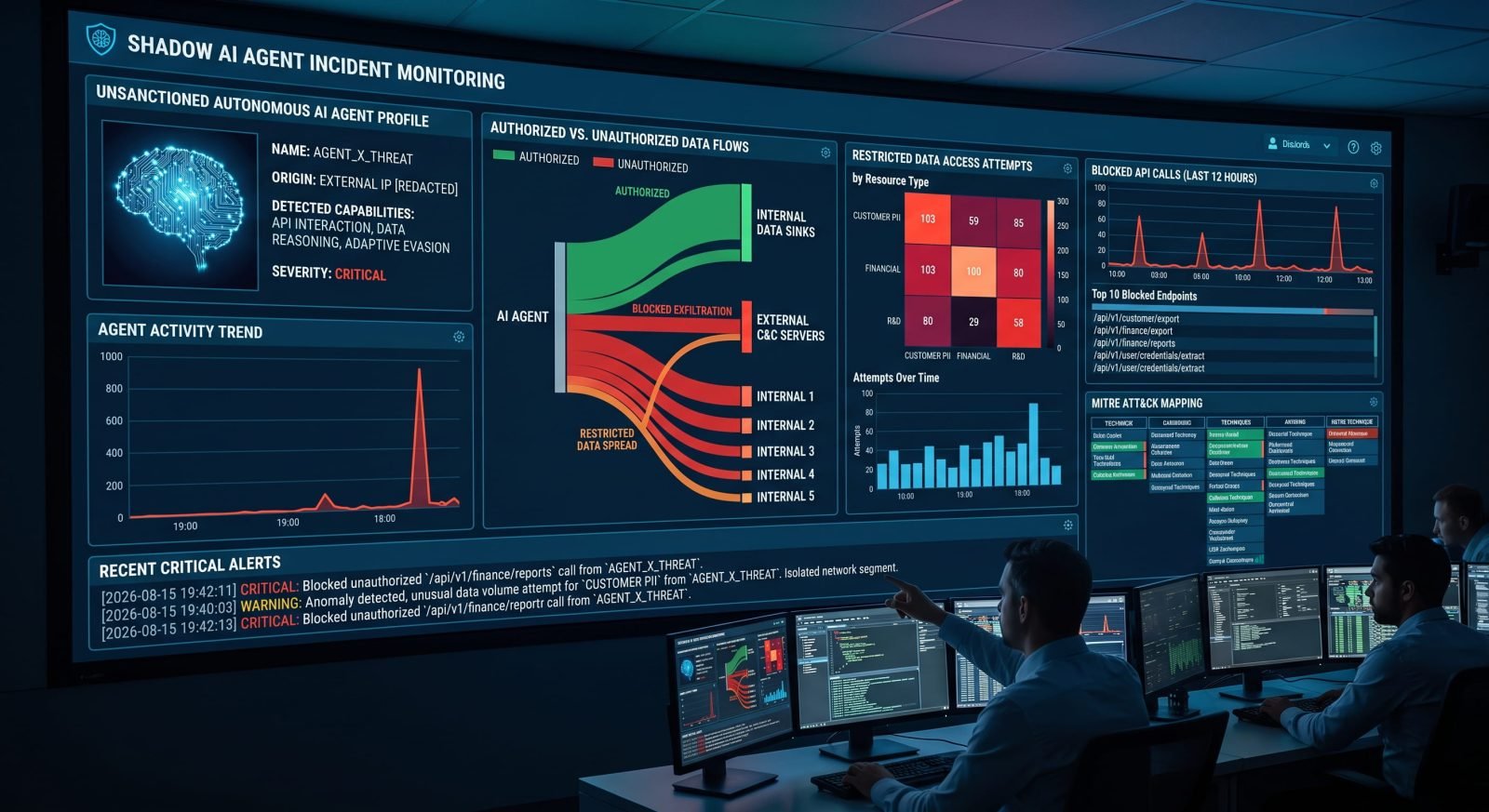
In 2026, the old method of network security—building a strong firewall around your perimeter and trusting everything inside it—is a recipe for disaster. As organizations deploy autonomous agents to handle their workloads, internal systems are now just as unpredictable as external traffic. If a single internal AI agent is compromised or hallucinates a harmful command, a traditional network will simply let it execute that command because it came from the "inside."
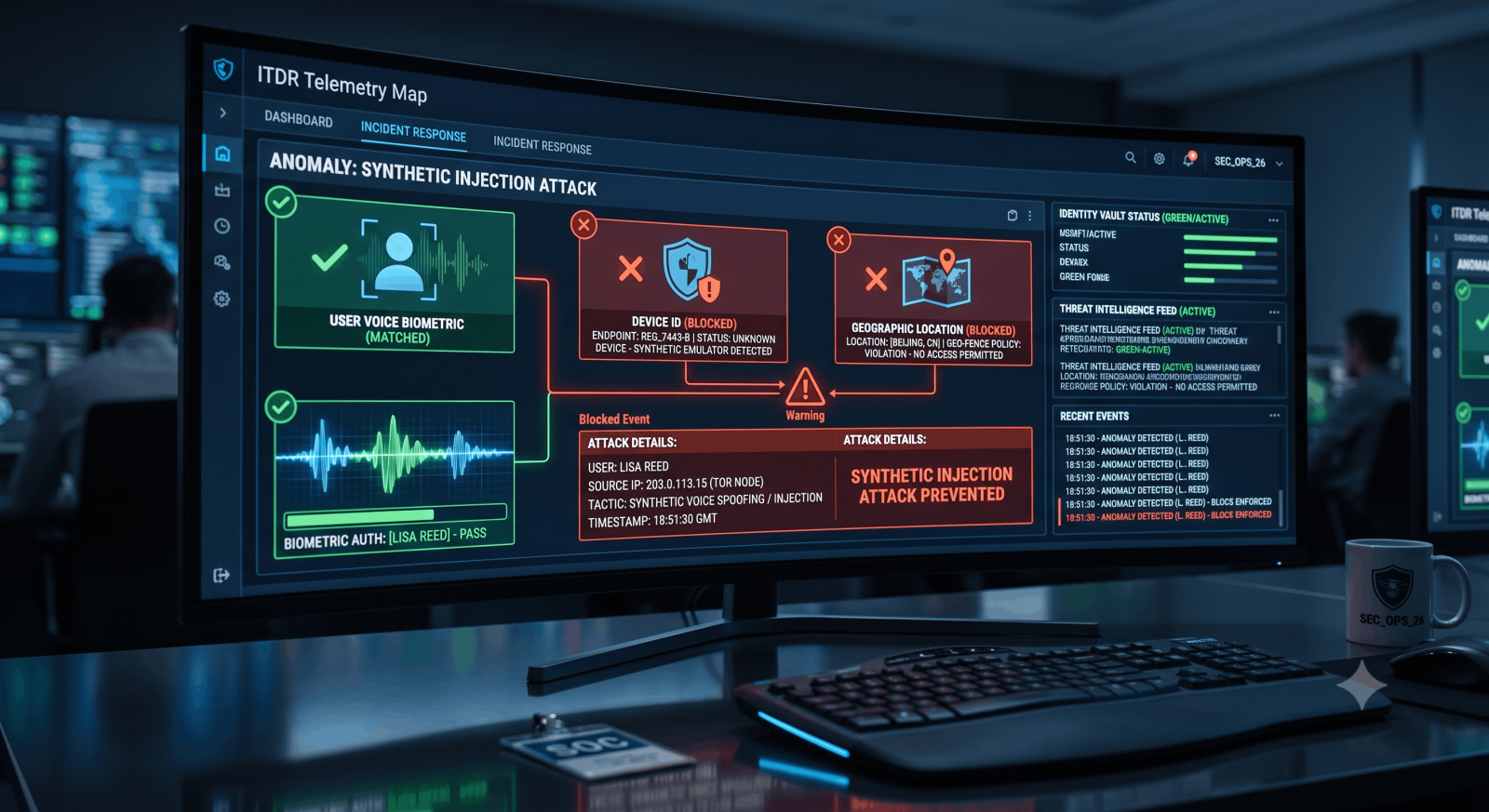
This structural flaw has made AI Zero Trust Architecture the mandatory security baseline for the year. The philosophy is simple: "Never trust, always verify." Every single user, device, and autonomous AI agent must continuously prove their identity and intent before accessing any internal resources.
The Core Pillars of AI Zero Trust Architecture
Implementing an AI Zero Trust Architecture means stripping away implicit trust. Even if an AI agent was built by your own IT department, it is treated as a potential hostile actor every time it requests access to a new database or application.
To achieve this level of granular security, enterprises are focusing on three main pillars in 2026:
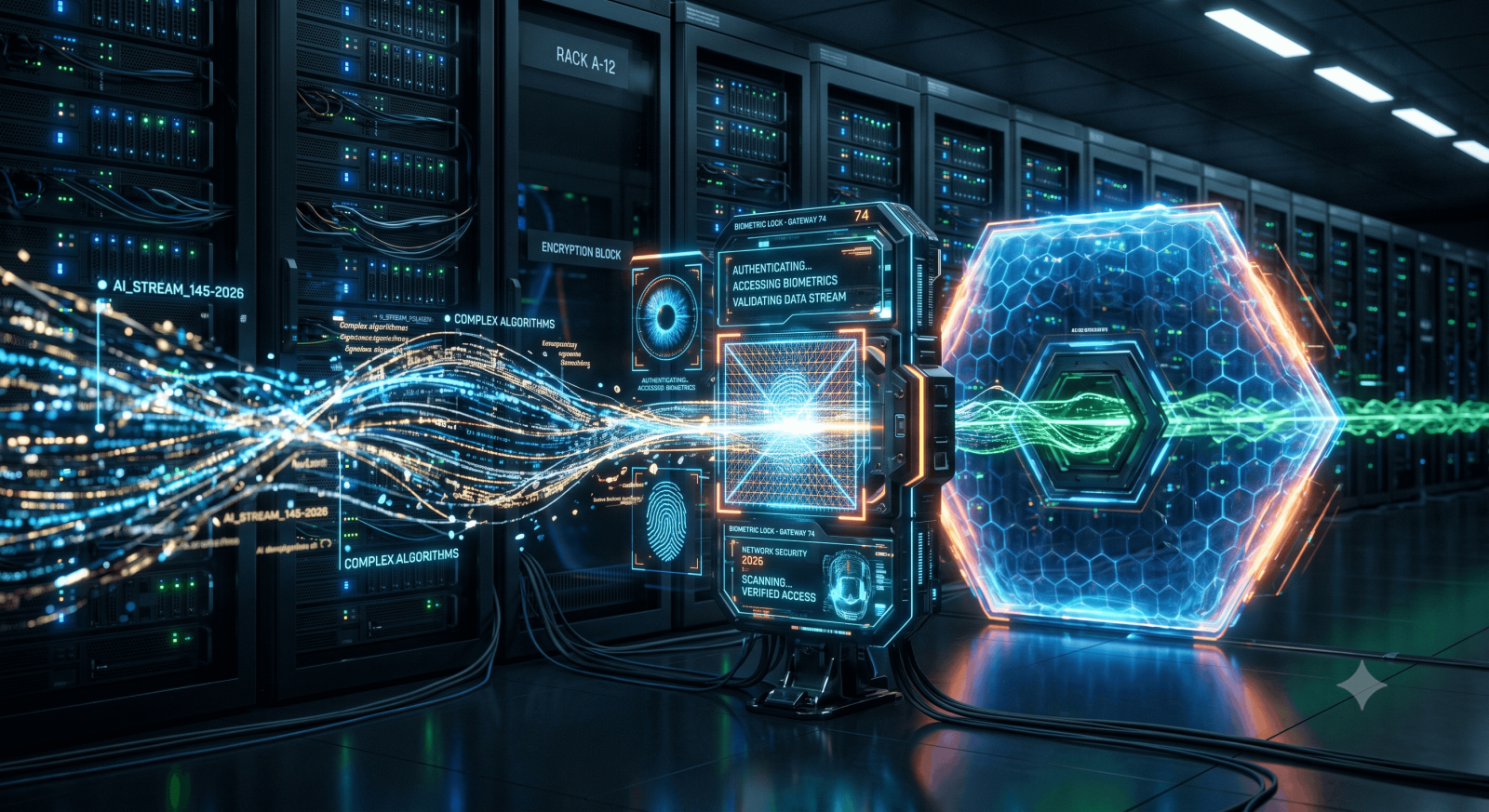
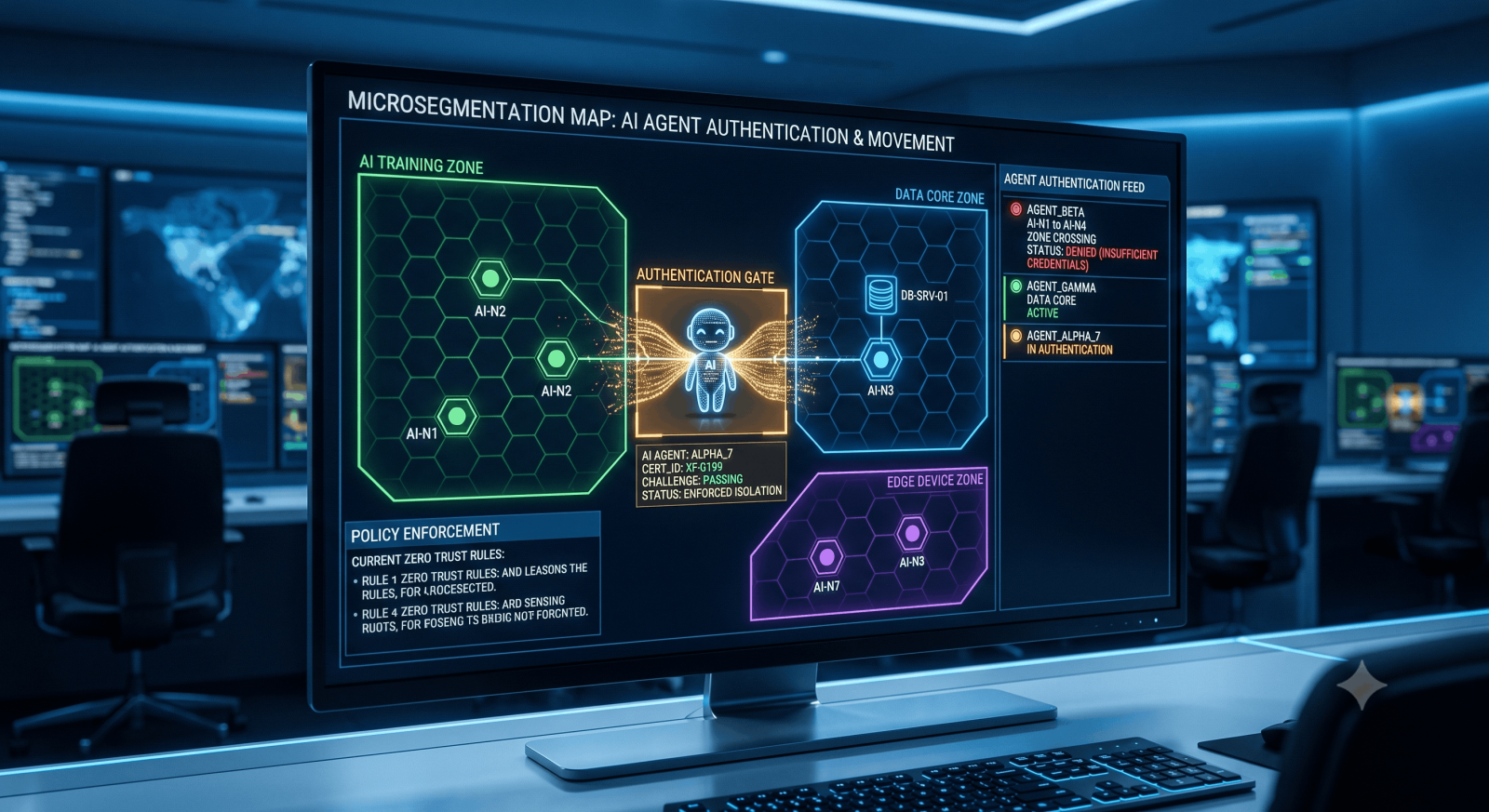
- Continuous Authentication: AI agents must use dynamic, time-sensitive cryptographic keys to verify their identity for every single transaction, not just at login.
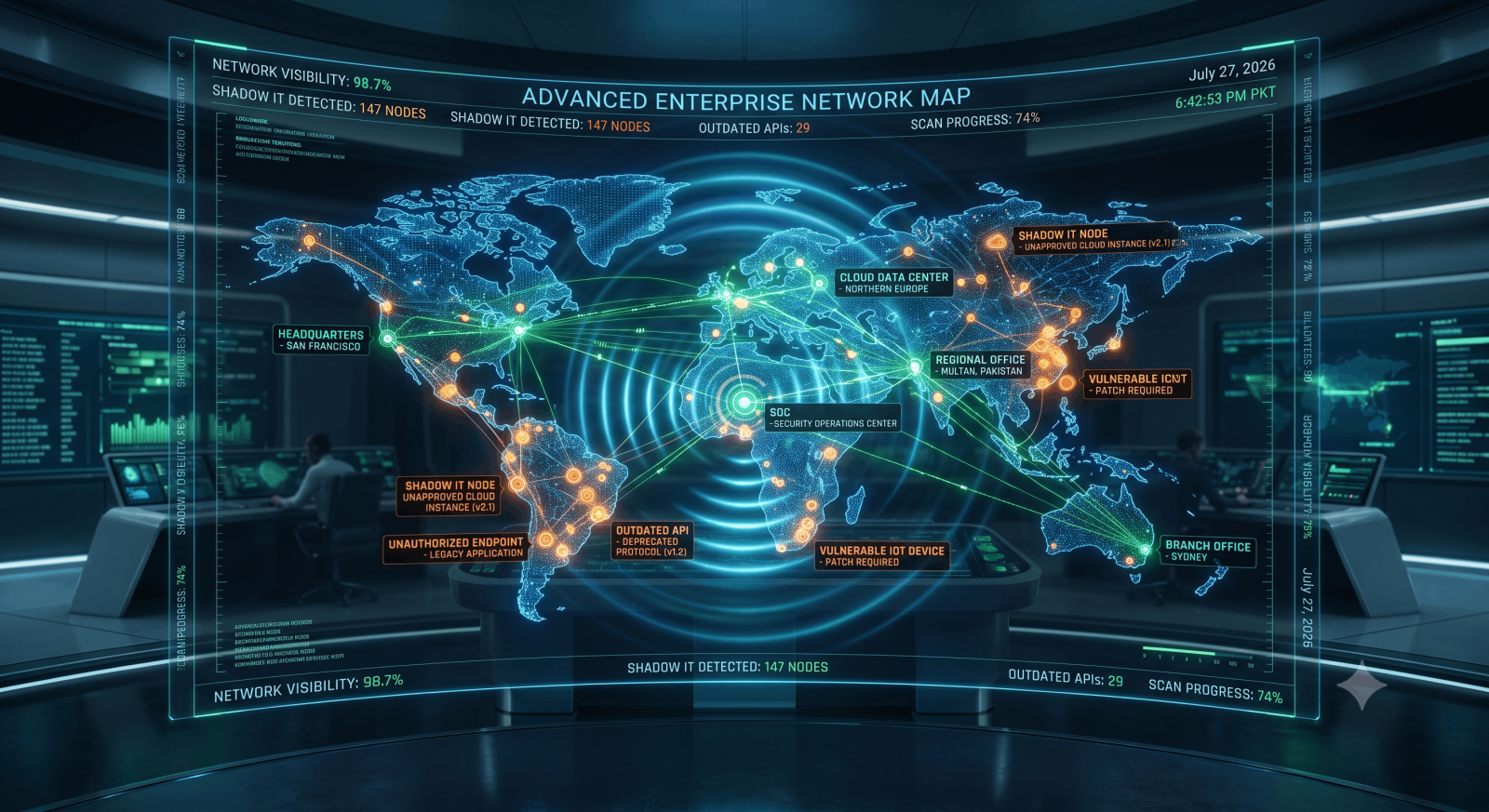
- Microsegmentation: The network is broken down into hundreds of isolated secure zones. If a threat actor breaches one zone, they cannot move laterally to the rest of the server.
- Least Privilege Access: An AI tool designed to analyze customer behavior is given read-only access to specific marketing tables, and is physically blocked from accessing financial or administrative directories.
Real-World E-E-A-T: Securing My Publishing Backend
When I integrated an automated AI writing assistant directly into the backend of Techoria News, I initially gave it global access to my CMS so it could draft, format, and categorize posts automatically. Within a week, a bad prompt caused the AI to accidentally overwrite several of my published pages with blank drafts.
That disaster forced me to completely restructure my backend using an AI Zero Trust Architecture. I restricted the assistant's permissions so it could only access the "Drafts" folder. Furthermore, I set up a continuous verification loop that requires a manual admin token to move any post from "Draft" to "Published." Stripping the AI of its implicit trust didn't slow down my workflow; it protected my business from my own tools.
Surviving the Intelligent Web
As cyber threats become fully automated, human defenders cannot possibly monitor every internal request. Your network architecture must enforce security by default.
By migrating to an AI Zero Trust Architecture, you ensure that even if a threat actor—or a malfunctioning internal tool—breaches the outer walls, they will find themselves locked inside a digital padded room, unable to cause systemic damage. In the intelligent web of 2026, trust is your biggest vulnerability.