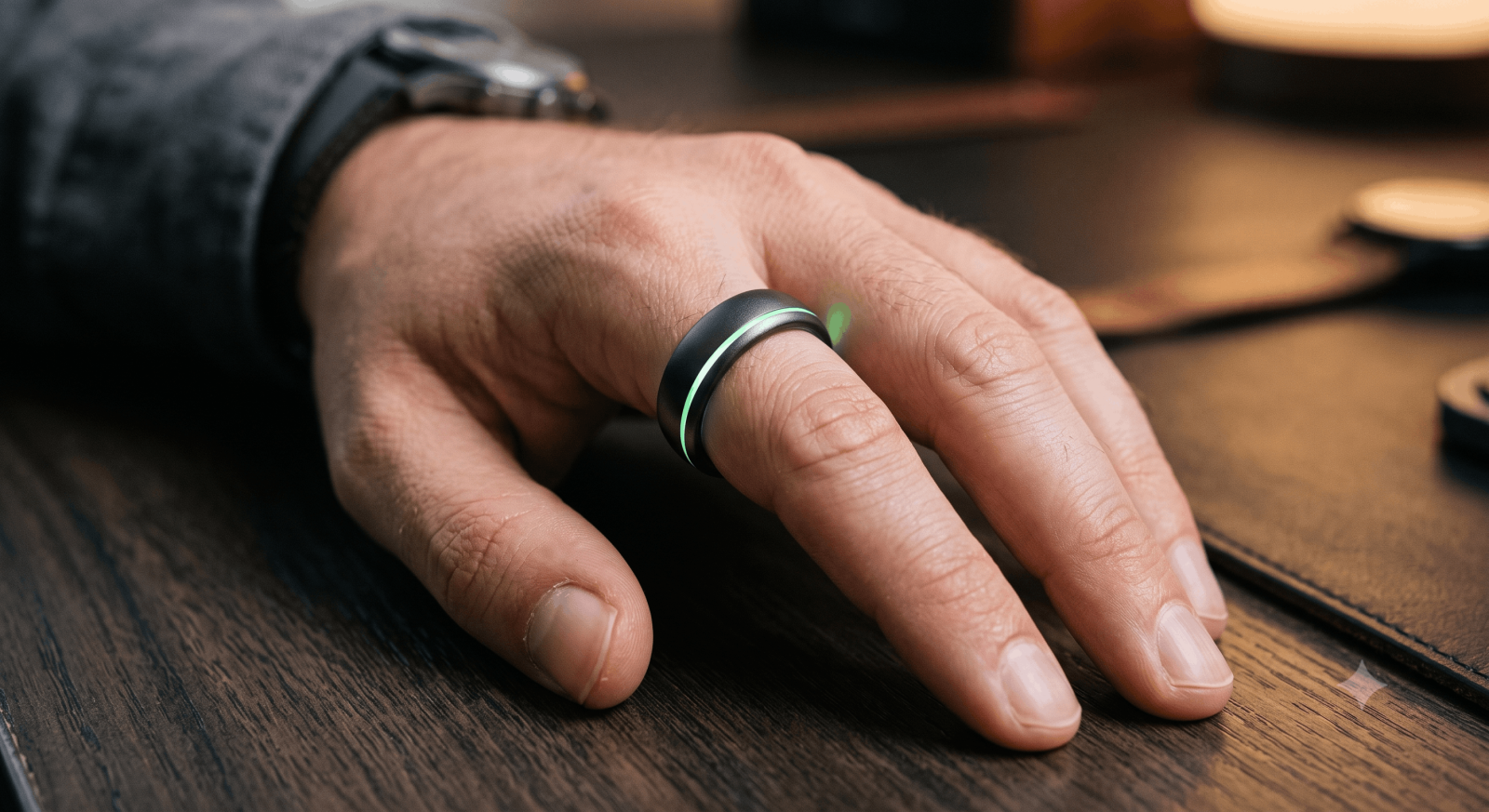
The wearable technology landscape has shifted dramatically over the past few years. Just a half-decade ago, tracking your daily health meant strapping a bulky, glowing screen to your wrist. Today, the most powerful consumer health tech on the market is virtually invisible, masquerading as a simple titanium band on your index finger.
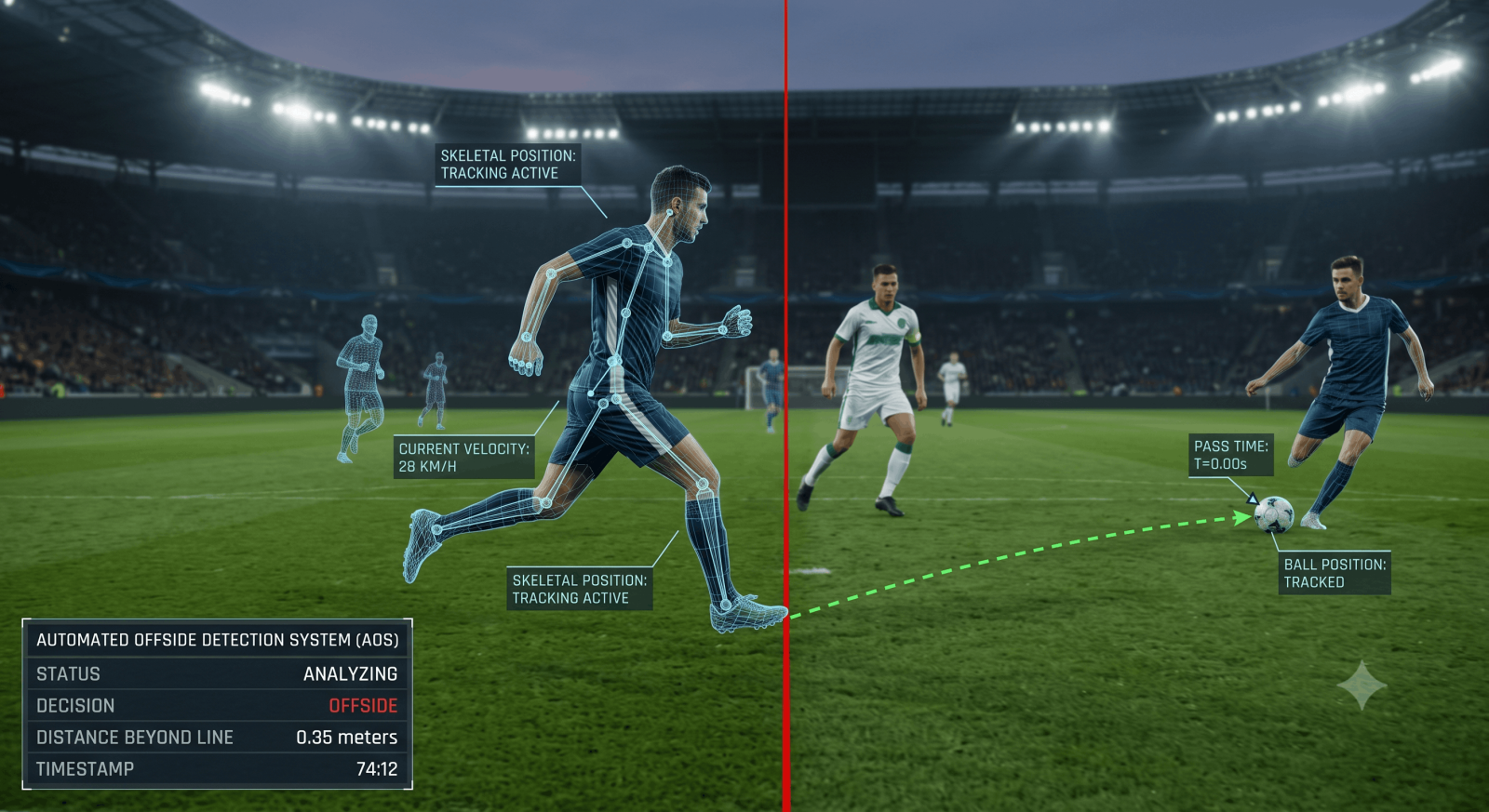
As we push deeper into 2026, the smart ring market has exploded beyond early adopters and biohackers. With major tech conglomerates entering the fray alongside specialized health startups, next-generation smart rings are promising the exact same biomechanical and physiological insights previously reserved for elite professional athletes. We have seen how pro-level Edge AI in sports is redefining athletic performance, but a pressing question remains: does the casual gym-goer or remote desk worker actually need millisecond-accurate biometric data, or is the hardware industry overselling a luxury?
The Evolution of the Smart Ring in 2026
The appeal of the smart ring lies in its unobtrusive nature. Wrist-based trackers often struggle with heart rate accuracy due to the anatomy of the wrist—which is laden with bone, muscle, and a complex web of veins. The finger, by contrast, offers capillaries much closer to the surface of the skin, providing a significantly stronger and more accurate signal for optical heart rate sensors (PPG).
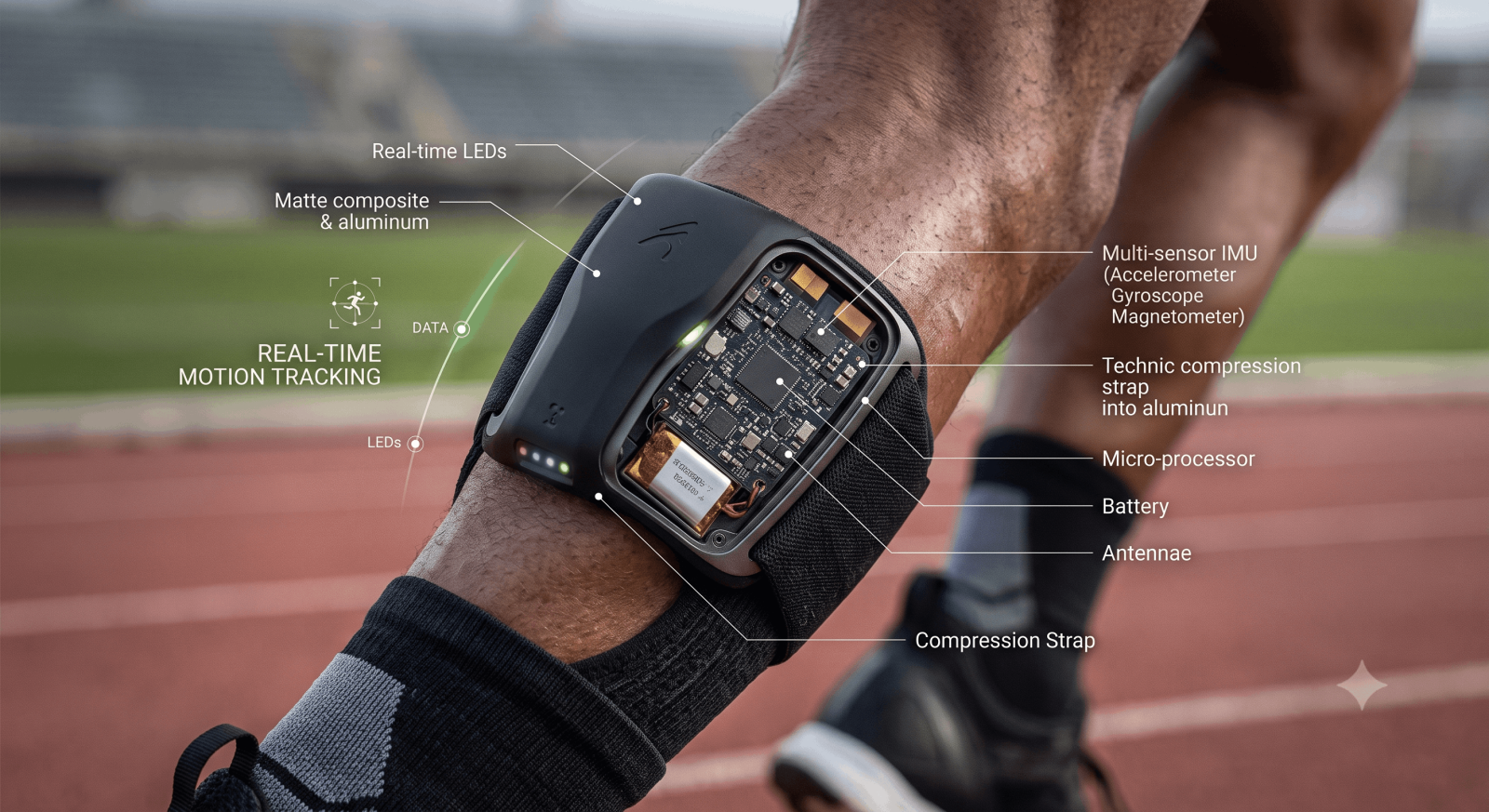
The smart rings of 2026 have leveraged massive leaps in hardware miniaturization. The best biometric trackers on the market no longer just count steps or estimate sleep phases. They are now packing clinical-grade sensors capable of tracking:
- Heart Rate Variability (HRV): The gold standard for measuring nervous system recovery and physical stress.
- Continuous Blood Oxygen (SpO2): Tracking respiratory efficiency overnight.
- Non-Invasive Blood Pressure Trends: A major breakthrough in 2026, utilizing photoplethysmography algorithms to map vascular resistance without a traditional cuff.
- Core Temperature Fluctuations: Predicting illness onset days before symptoms appear or tracking precise fertility windows.
The hardware is undeniably impressive, packing week-long battery life and advanced microprocessors into a device weighing less than three grams. But the friction for consumers doesn't lie in the hardware—it lies in the software ecosystem.
The Reality of “Data Fatigue” and Subscription Burnout
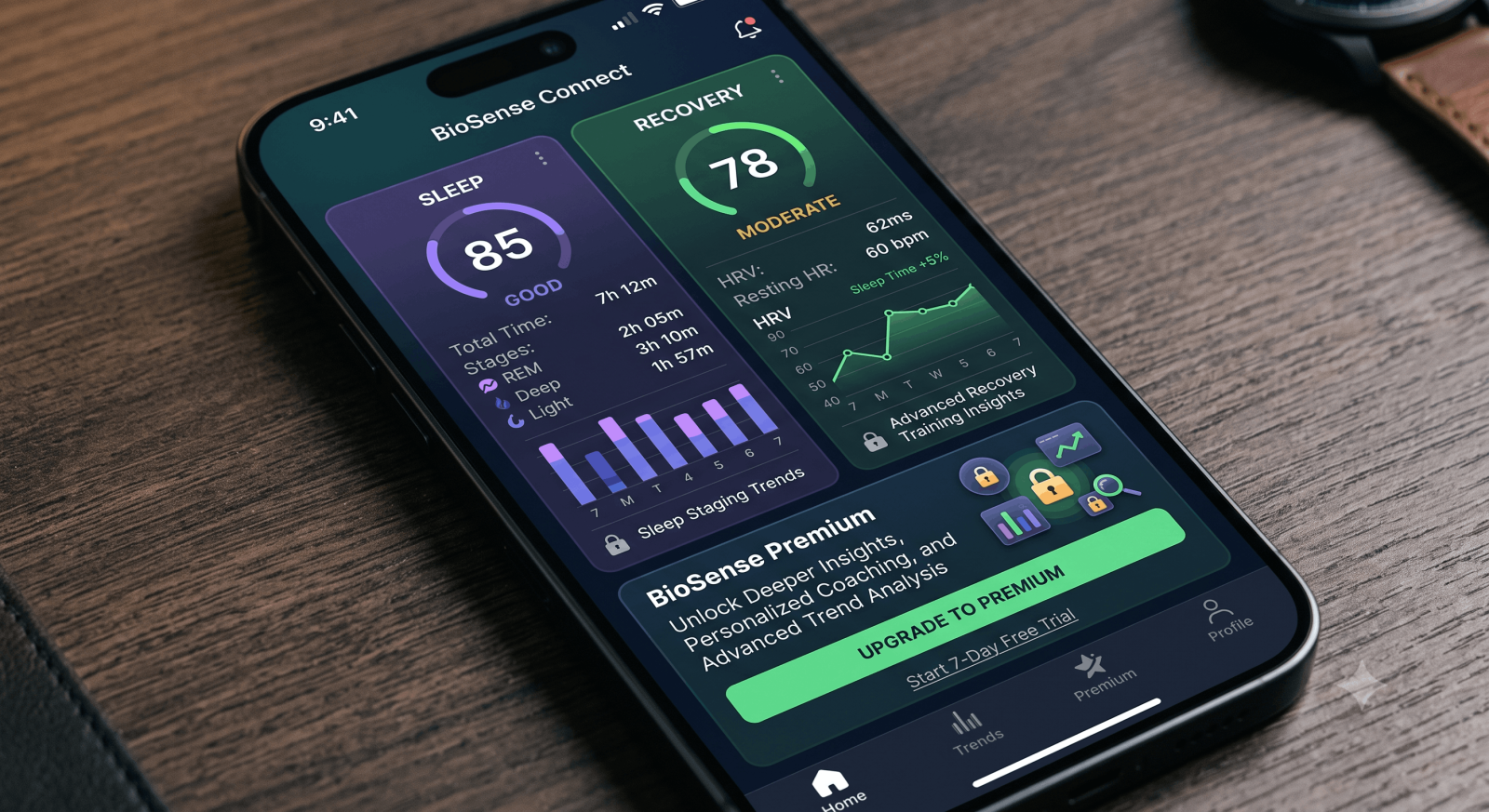
The consumer health tech industry has rapidly adopted a Software as a Service (SaaS) model, and user patience is wearing thin. Scanning through popular wearable tech subreddits and consumer fitness forums in late 2026 reveals a growing, highly vocal friction point among everyday users: subscription burnout.
Many consumers express profound frustration at dropping $300 to $400 on premium hardware, only to find their own health data locked behind a $6 to $10 monthly paywall. As one user on a popular tech forum recently noted, "I bought the ring outright; why am I paying a monthly rent to view the temperature data my own finger generated?"
Beyond the financial annoyance, there is also the psychological toll of "data fatigue." Real-world user feedback frequently highlights the stress of waking up to a "poor recovery score." Everyday users—who don't have personal trainers or nutritionists on standby to interpret this data—often feel overwhelmed by the sheer volume of metrics. Being told by an algorithm that your nervous system is fatigued can sometimes artificially induce lethargy, creating a nocebo effect where the user feels worse simply because the app told them they should. The consensus among the community is clear: a shift is being demanded toward one-time-purchase hardware that offers actionable, simple insights rather than a barrage of clinical data hidden behind a subscription wall.
The Battle for Wearable Data Privacy
As these devices gather increasingly intimate details about our physical states, wearable data privacy has become a paramount concern. The data generated by a 2026 smart ring goes far beyond how many miles you ran; it maps your stress responses, your sleep cycles, your cardiovascular health, and potentially even early markers of chronic illness.
When you sign the Terms of Service for a health app, who actually owns that data? Is it anonymized and sold to health insurance conglomerates? Is it used to train massive AI models?
Consumers are becoming savvier about these questions. The market is beginning to favor hardware manufacturers that employ localized data processing—much like the Edge AI used in professional sports. Rings that process data entirely on the user's smartphone, refusing to upload raw biometric profiles to a corporate cloud server, are quickly becoming the preferred choice for privacy-conscious buyers.
Making the Right Hardware Choice
If you are considering integrating a smart ring into your daily routine this year, the decision should be based on how you intend to use the data, rather than just buying the most sensor-packed device available. Keep the following in mind:
- Audit the Ecosystem: Before purchasing, rigorously check if the device requires a monthly subscription to unlock basic features like sleep staging or historical HRV data. The initial price tag is rarely the final cost.
- Actionable vs. Passive Tracking: Ask yourself if you will actually change your behavior based on the data. If a ring tells you your recovery is low, will you skip your workout? If not, the high-end biometric data is largely useless to you.
- Review the Privacy Policy: Look for brands that explicitly state they do not sell user data to third-party brokers and offer end-to-end encryption for any data stored in the cloud.
Next-gen smart rings are technological marvels that have successfully democratized elite health tracking. They are absolutely worth the investment for those looking to actively optimize their sleep and recovery. However, the industry must reckon with the growing consumer pushback against restrictive paywalls. As the market saturates, the winners won't necessarily be the rings with the most sensors, but rather the ones that treat their users' wallets and data privacy with the most respect.