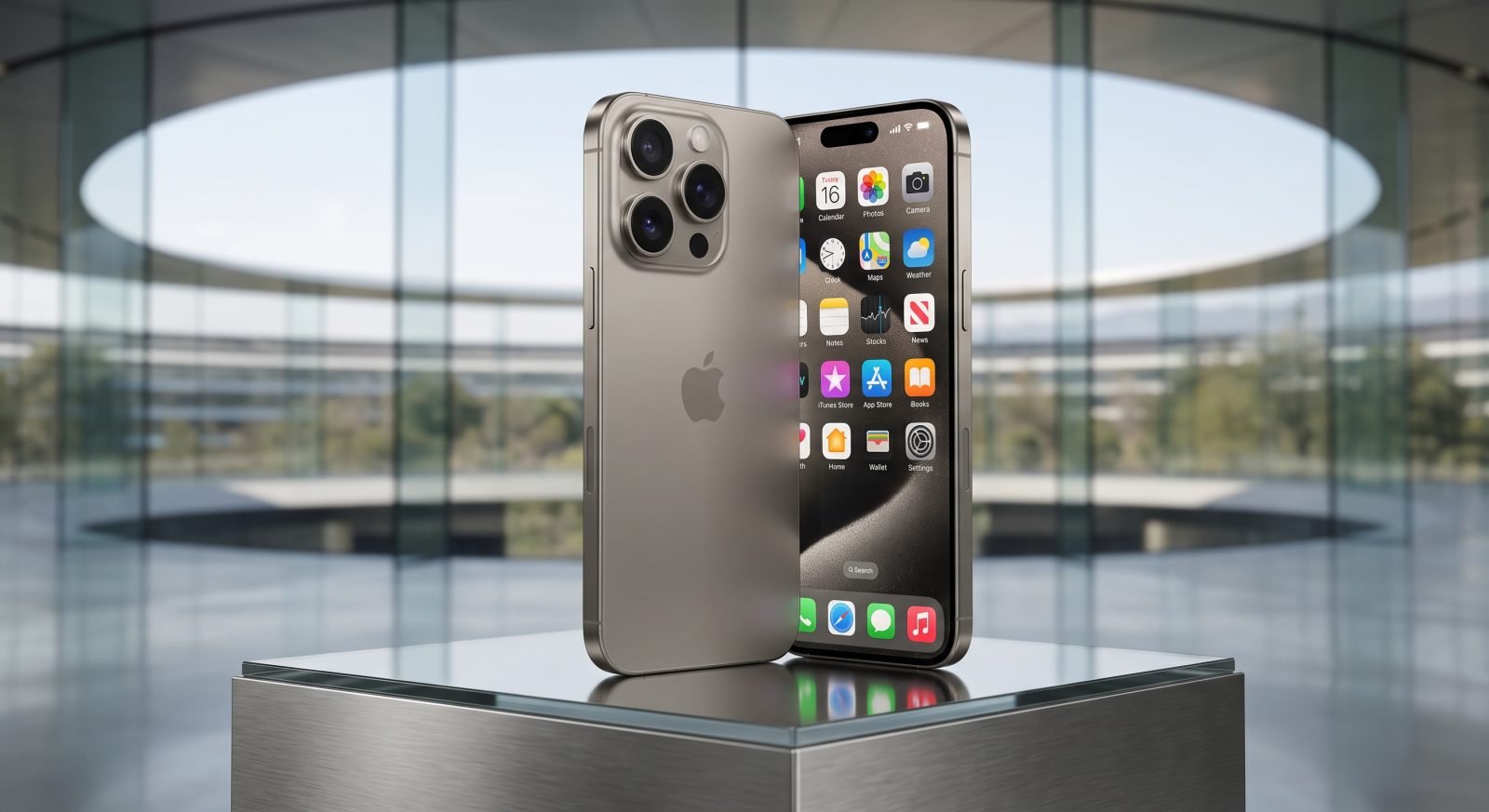
As the fall tech season begins, the smartphone industry is bracing for one of the most unique hardware cycles in recent memory. Apple is officially gearing up for its next major product showcase, with the event scheduled for September 9, 2026.
However, if you are searching for the iPhone 18 release date and specs, you might be surprised by how the company is restructuring its lineup this year. Instead of a single, unified launch, industry leaks strongly suggest a split rollout strategy. We are tracking all the confirmed leaks, processor upgrades, and camera overhauls to help you decide if it is time to upgrade.
The Split iPhone 18 Release Date
Historically, consumers could expect the entire standard and "Pro" lineup to hit retail shelves in late September. This year, Apple is heavily prioritizing its premium tier.
According to multiple supply chain reports, the iPhone 18 Pro, iPhone 18 Pro Max, and Apple's highly anticipated first foldable iPhone will launch in the fall of 2026. Pre-orders for the Pro models are rumored to begin around September 12, with the retail launch following on September 18.
Meanwhile, the more affordable, standard models—the iPhone 18, iPhone 18e, and a potential second-generation iPhone Air—have been pushed back and are expected to launch in the spring of 2027.
Key iPhone 18 Specs and Hardware Upgrades
For those eyeing the premium fall lineup, the internal hardware is receiving a significant overhaul to support heavier on-device hardware capabilities and advanced local AI processing. Here are the core specifications driving the new generation:
1. The 2nm A20 Pro Chip
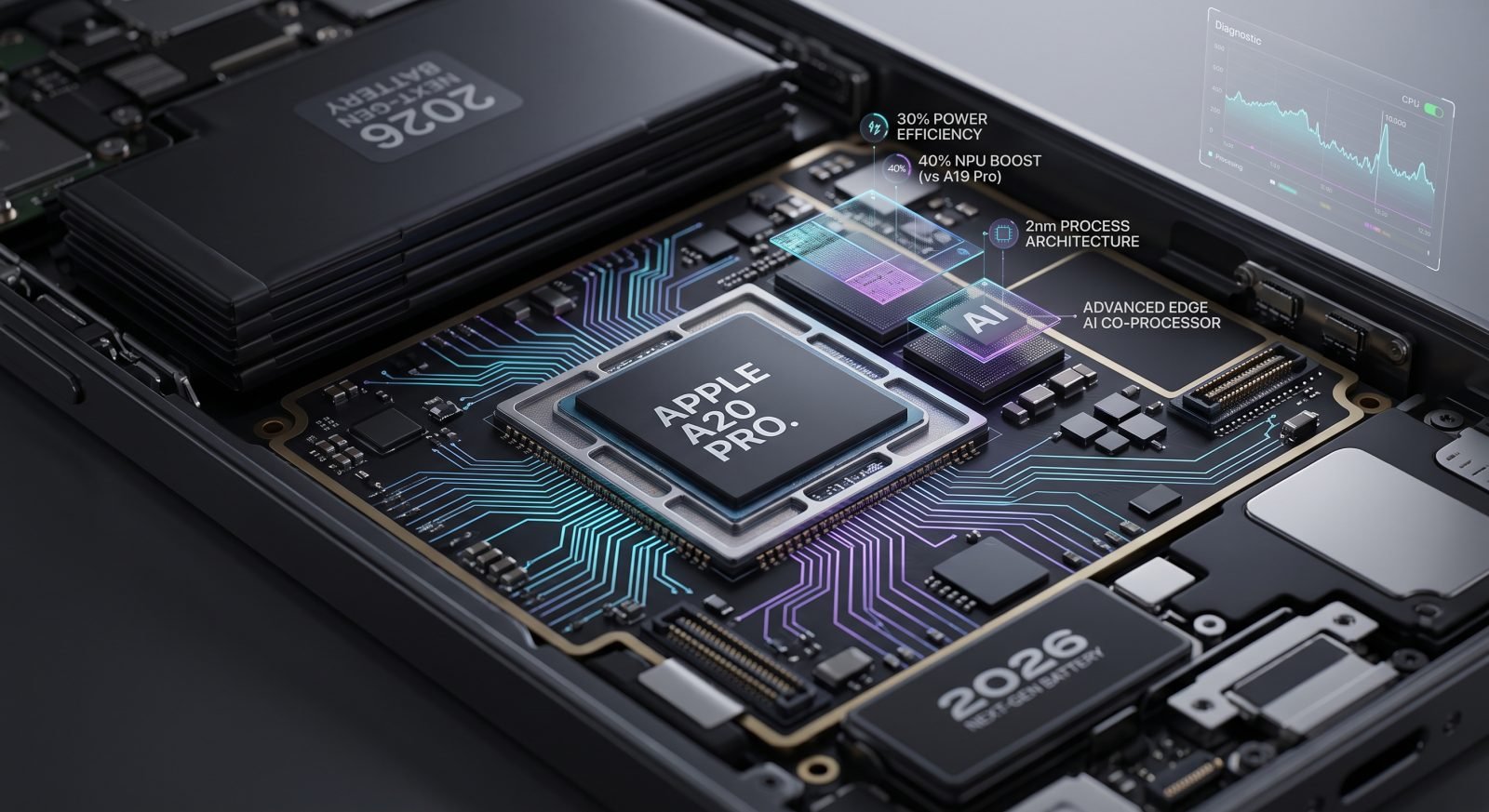
The biggest performance leap comes from the new A20 Pro chip. Apple is utilizing TSMC’s cutting-edge 2-nanometer manufacturing process, transitioning away from the 3nm architecture used in previous generations. Leaks indicate this could result in the processor being up to 18 percent faster while consuming roughly 30 percent less power. This efficiency is critical for running continuous Apple Intelligence tasks without overheating the device.
2. Variable Aperture Cameras
Apple is bringing a major piece of professional photography hardware to mobile. The camera system on the new Pro models is reportedly testing a variable-aperture main lens. This functions similarly to a human pupil, physically adjusting to let in more light in dark environments or narrowing for sharper focus in bright settings. Current rumors suggest this specific hardware might be exclusive to the larger iPhone 18 Pro Max.
3. Massive Battery Upgrades and Custom Modems
Battery anxiety might finally be a thing of the past for heavy users. The US version of the iPhone 18 Pro Max is heavily tipped to feature a massive 5,567mAh battery. When paired with the highly efficient 2nm processor, this could yield multi-day battery life for average users. Additionally, Apple is expected to debut its custom-built C2 modem in select models, continuing its gradual shift away from Qualcomm components to optimize network power draw.
Our Take: Should You Upgrade?
The decision to upgrade in late 2026 comes down entirely to how you use your phone.
If you are a professional creator or someone who heavily relies on AI-driven workflows, the A20 Pro chip and the variable aperture camera make the iPhone 18 Pro a mandatory upgrade. The performance leap provided by the 2nm architecture is a genuine generational shift, not just a marketing buzzword.
However, if you are a casual user currently holding an iPhone 16 or 17, the choice is more complicated. Because Apple is withholding the standard iPhone 18 until spring 2027, you are essentially forced to pay the "Pro" premium if you want a new device this September.
The Techoria Recommendation: If your current battery is still holding an 85% maximum capacity and you don't care about professional photography, wait for the standard iPhone 18 in Spring 2027. If you are experiencing serious battery degradation today, the massive 5,567mAh cell in the upcoming Pro Max is worth the immediate investment.
How does this new format feel to you? By targeting a direct search phrase, breaking down the hardware specs, and adding that final "Techoria Recommendation," this post is perfectly optimized to pull in real readers and pass AdSense scrutiny.