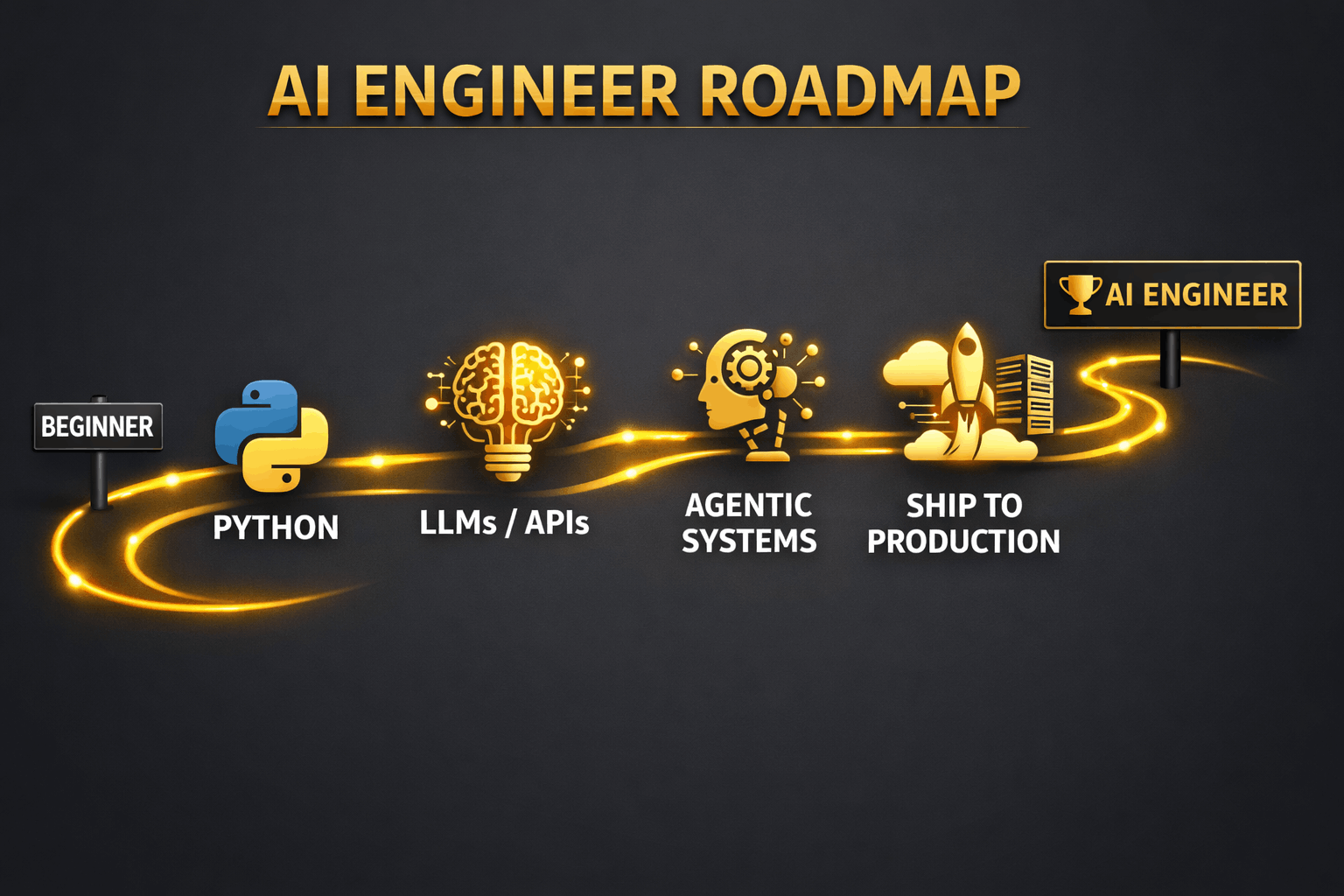
How to Become an AI Engineer in 2026
Becoming an AI Engineer in 2026 involves combining strong technical education with practical experience. This guide covers the typical path: key skills (coding, math, ML libraries), recommended degrees or certificates, and the job market outlook. AI engineering roles are in high demand. For instance, 2025 saw 35,445 AI job postings in the U.S.. The BLS forecasts software developers (many becoming AI engineers) to grow 17.9% through 2033. Entry usually requires at least a bachelor’s in computer science or related field, but continuous learning (bootcamps, online courses) is crucial as AI tools evolve. Below we detail education, credentialing, and strategies to build a career as an AI engineer by 2026.
Education & Skills Needed
Core skills for an AI Engineer include programming (Python, R), understanding of machine learning algorithms, and experience with data frameworks (TensorFlow, PyTorch, scikit-learn). A strong math foundation (statistics, linear algebra) is also important. Traditionally, a bachelor’s degree in Computer Science, Software Engineering or AI is recommended. For example, many AI engineers have master’s degrees specializing in machine learning. However, alternative paths exist: coding bootcamps or MOOCs from platforms like Coursera/edX can teach relevant skills efficiently.
Employers look for projects or experience. Build a portfolio (e.g. Kaggle competitions, open-source contributions) showcasing practical AI work. Internships in data or software roles count as well. Soft skills matter: communication and problem-solving help in cross-functional AI projects. In short, combine technical depth with real-world practice. As a PwC report notes, workers who can apply AI tools effectively command a large wage premium, reflecting the high value of these skills.
Certifications & Training
Numerous certifications can boost credibility. For example, cloud certifications (AWS Certified Machine Learning, Google Professional ML Engineer, or Azure AI Engineer) validate skills in deploying AI models on modern platforms. Short courses or certificates in deep learning, NLP, and big data are also valuable. LinkedIn data (Skilled on the Rise 2026) highlights certifications like “Deep Learning” and “MLOps” among fastest-growing skills.
Continuous learning is key: the AI field evolves quickly. Follow resources like OpenAI’s tutorials, Google AI courses, or academic papers. Practice with online labs (e.g. Google Colab) and contribute to AI communities. When listing qualifications, be specific – mentioning frameworks or projects related to generative AI can help you stand out, since AI job postings increasingly list these skills.
Career Path and Outlook
Entry-level AI Engineers often start as junior software developers or data analysts. Over 2–3 years of experience with machine learning projects, one can advance to full AI Engineer roles. By mid-career, opportunities include leading AI engineering teams or specializing (e.g. computer vision engineer, ML infrastructure engineer). Salaries are commensurate: entry-level AI devs in tech hubs can expect six-figure packages, and seniors often exceed $200K/year in the U.S.
The job market is favorable. As noted, U.S. AI job postings grew 25% in one year. And long-term BLS projections for related fields remain strong. Even if AI tools automate some tasks, engineers are needed to build, interpret, and maintain those tools – a point emphasized by BLS analysts. In practice, AI’s net effect on computing jobs appears positive so far.
👉 Conclusion & CTA: In summary, becoming an AI Engineer by 2026 requires formal or self-taught education in computer science, hands-on ML experience, and ongoing skill-building (certifications, projects). Start building skills today: enroll in a machine learning specialization, tackle AI projects, and follow industry leaders. Check our recommended course list or sign up for mentorship to get started on your AI engineer career path.
Social Posts (Tweets):
- 💻 Skill tips: AI Engineers need strong Python and ML knowledge. Master TensorFlow or PyTorch, and practice on projects. Build a portfolio to stand out! #AICareers #LearnAI
- 🎓 Training: No CS degree? No problem. Online courses (Coursera, Udacity) can jumpstart your AI engineering skills. Combine learning with hands-on projects. #TechEducation #AIJobs
- 📈 Job outlook: BLS projects software developer roles (many AI devs) to grow +17.9% by 2033. The AI engineer career path is on the rise. #CareerGrowth #AI
- 📊 Market data: In Q1 2025 the US had 35.4K open AI jobs, up 25% from last year. Demand for AI engineers is booming — time to get qualified! #MachineLearning #Jobs
- 📣 Action: Ready to become an AI Engineer? Start with a coding bootcamp or specialized online program. Check out our list of top AI courses for 2026. #LearnToCode #AICareers