In-Demand AI Skills for 2026
Employers in 2026 seek AI professionals who blend hard skills (technical expertise) with soft skills (problem-solving, communication). Top technical skills include proficiency in Python, TensorFlow/PyTorch, data analytics, and experience with AI frameworks. But equally important are skills like critical thinking, collaboration, and ethics. Recent surveys highlight this balanced demand: LinkedIn notes that AI career success hinges on both coding mastery and people skills. Our analysis also shows the market reward for these skills: PwC reports that workers with AI-related abilities (e.g. ML, prompt engineering) earn an average 56% wage premium. Meanwhile, jobs requiring AI skills are changing fastest: 66% faster than in other occupations. The sections below detail which AI skills are most sought-after and how to keep your skillset up to date by 2026.
Technical Skills Employers Want
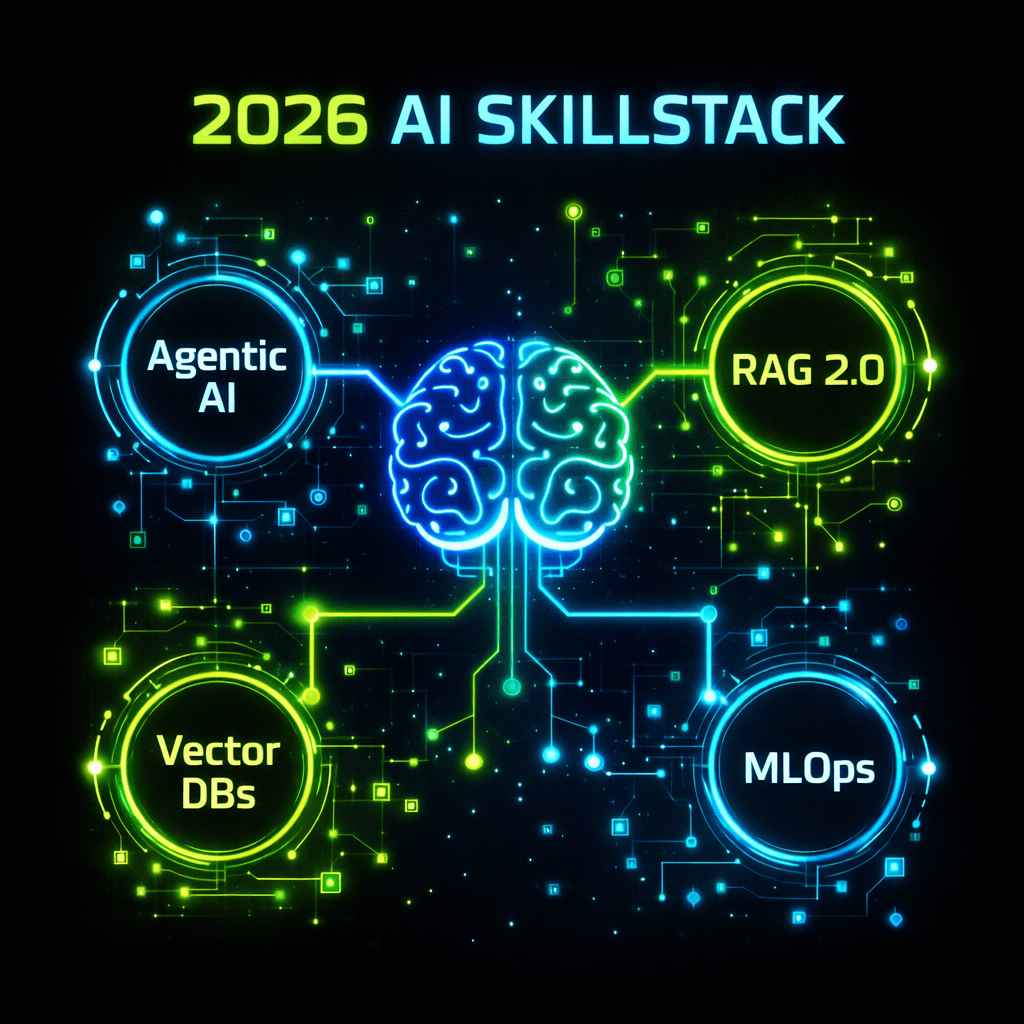
Technical AI skills remain the foundation. Key areas include machine learning algorithms (supervised/unsupervised learning, neural networks), data science tools (data cleaning, visualization), and AI frameworks (TensorFlow, PyTorch, scikit-learn). Cloud and big data skills (AWS/GCP/Azure AI platforms, SQL, Hadoop) are also in high demand as companies deploy models at scale. According to industry analyses, proficiency in Python/R is a must, along with libraries like Jupyter notebooks, OpenAI GPT models, and computer vision/NLP toolkits.
Veritone’s 2025 report notes that Data Scientist and AI Engineer roles are dominating, reflecting these required skills. To identify trends, one can also look at LinkedIn’s Skills on the Rise reports: “Machine Learning”, “NLP” and “Computer Vision” have consistently featured in recent years. Aspiring professionals should therefore practice building models end-to-end (data ingestion to evaluation) and stay current with generative AI tools (e.g. large language models).
The Importance of Soft Skills
However, technical chops alone are not enough. Multiple sources emphasize that future AI talent must combine tech knowledge with human-centric skills. For example, a LinkedIn analysis points out that problem-solving, creativity, communication, and ethical AI awareness are just as critical. Gallup’s Q4 2025 data also show that leadership and communication matter: 69% of organizational leaders say they use AI at work versus 40% of individual contributors, suggesting those who guide others must both understand AI and communicate its value.
Employers value candidates who can explain AI solutions to non-technical stakeholders, manage projects, and continuously learn. In practice, this means honing skills like project management, teamwork, and adaptability. For instance, an AI product manager needs to translate business needs into technical specs and ensure user trust in AI features. Weaker soft skills can limit opportunities even for skilled coders, so professional development (mentorship, presentation experience) is advised.
Adapting to the AI Skills Landscape
The AI skillset is evolving rapidly. PwC’s analysis indicates that required skills for AI-facing jobs have accelerated: the net change in AI job skills was 66% higher in 2024 than in 2023. This “skills earthquake” means workers must engage in lifelong learning. Practical steps include: taking specialized courses (e.g. on Deep Learning or MLOps), obtaining certifications (Coursera/edX nanodegrees, cloud provider certs), and joining AI communities to exchange knowledge.
Moreover, track industry signals: many job postings now list “prompt engineering” or “AI ethics” as desirable. Exploring these areas through hackathons or online challenges can differentiate you. As PwC notes, wages are rising fastest in AI-exposed fields, so investing in these skills pays off financially.
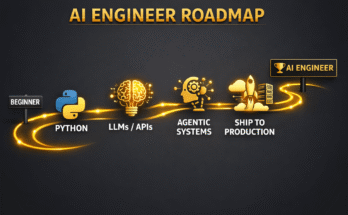
👉 Conclusion & CTA: Stay ahead by continuously upgrading both your technical and human skills. Enroll in relevant training (see our AI skills roadmap) and practice explaining AI topics simply. Follow our blog for updates on emerging AI skill trends, and consider joining a mentorship program to round out your profile for the AI-driven job market.
Social Posts (Tweets):
- 🔧 Technical skills: Top employers want AI pros with Python, ML libraries (TensorFlow/PyTorch), NLP and computer vision expertise. Build projects using these tools. #AIskills #Tech
- 💬 Soft skills: Creativity, communication, and ethics are key. PwC found leaders using AI far more (69%) than others (40%). Be both a coder and a communicator. #FutureOfWork #SoftSkills
- 📊 Dynamic market: Required AI job skills changed 66% faster in 2024 vs 2023. Keep learning new frameworks and methods to stay competitive. #LearnAI #SkillUp
- 💼 Value of skills: Workers with AI skills earn ~56% more. Sharpen your machine learning and data skills to boost your career and salary. #CareerGrowth #MachineLearning
- 🎯 Action: Identify the AI skills gap: take an online AI skill assessment, then enroll in courses (e.g. Coursera’s AI nanodegree). Start leveling up today! #CareerAdvice #AITraining